# How a Dog Writer Discovered the Joy of Cat Ownership
For years, author and dog enthusiast John Drury owned his identity firmly. He wrote "Love Immortal: Antique Photographs & Stories of Dogs & Their People," a book celebrated by readers, critics, and the dog community. Dogs were his passion, his expertise, his entire professional world. Cats barely registered.
Then everything changed.
Drury's unexpected journey from devoted dog person to cat lover offers a genuine glimpse into how pet preferences can shift when you open your home and heart to a different species. His story, shared on Catster, challenges the common belief that dog people and cat people exist in separate camps with no possibility of crossover.
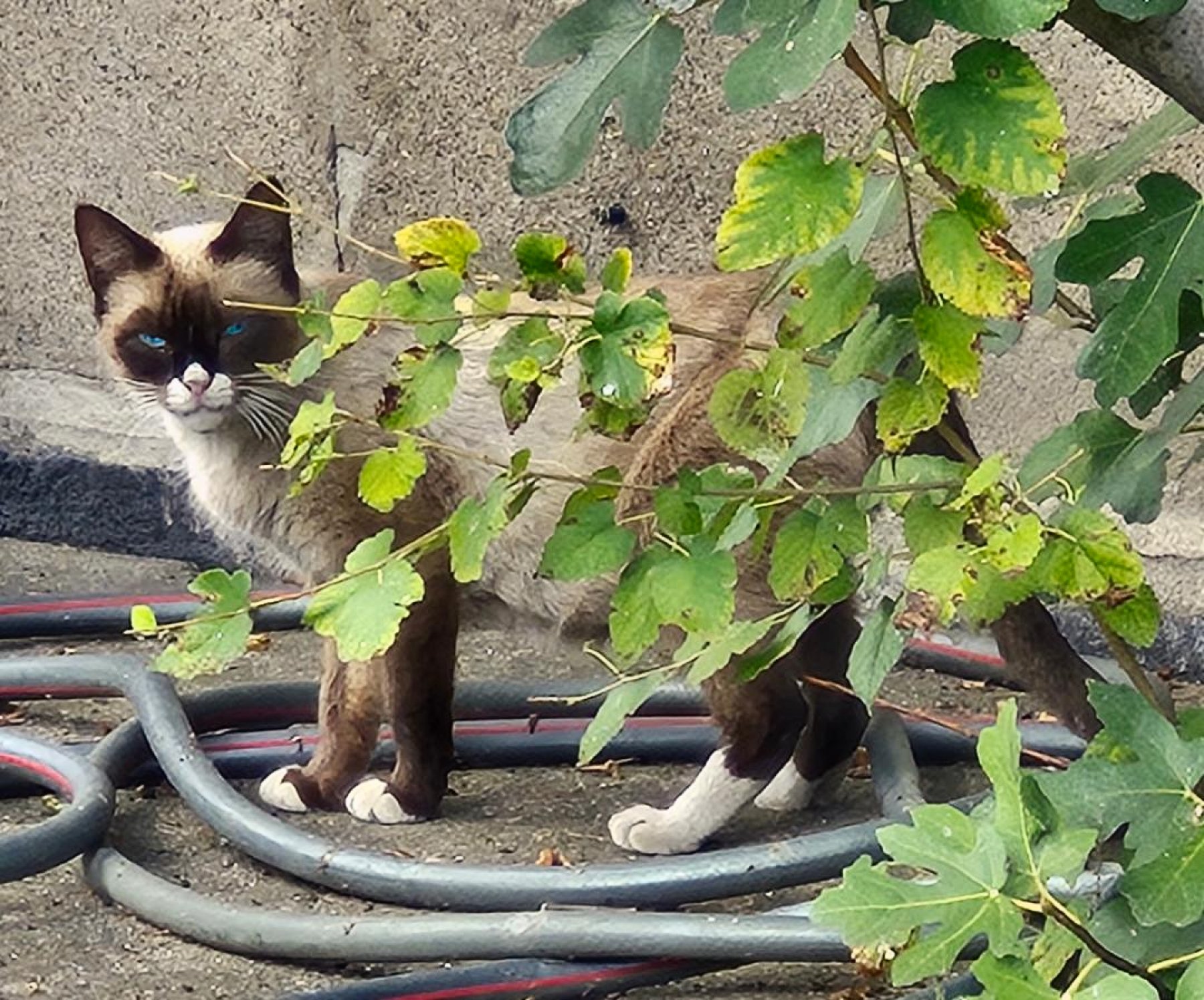
The turning point came through an encounter with what Drury describes as a "bandit"—likely a cat with a striking appearance or mischievous personality that captured his attention in ways he never anticipated. Rather than dismissing the cat as outside his comfort zone, Drury allowed himself to experience the unique relationship that felines offer their owners.
This transformation reflects broader shifts in how pet owners approach their animals. Many dog lovers dismiss cats as aloof or unaffectional, missing the complex bonds that develop between humans and felines. Cats communicate differently than dogs. They show affection on their own terms. They demonstrate loyalty through subtle cues rather than enthusiastic greetings. For someone accustomed to a dog's exuberant energy, recognizing and appreciating these differences requires patience and openness.
Drury's experience also highlights the importance of exposure in shaping pet preferences. Someone deeply embedded in dog culture through professional work may never encounter situations that encourage genuine interaction with cats. A single positive experience, however, can reframe entire worldviews about species compatibility and companionship.
His story carries weight for pet owners struggling with similar transitions. A spouse might bring a cat into a dog-centric household. A family might adopt a cat when they've only known dogs. Pet professionals like trainers or veterinarians often work with both species but develop stronger affinities for one. Drury's openness to being surprised by a cat offers permission to others to explore beyond their established preferences.
The book author's journey also speaks to personal growth. Defending a single identity as a "dog guy" provided clear boundaries and professional branding. Admitting that a cat stole his heart required vulnerability and willingness to evolve beyond that established persona. For many people, identity and pet preference intertwine so tightly that changing one feels like betraying the other.
Cat adoption often surprises dog-only households with unexpected benefits. Cats require different care routines, offer different types of companionship, and create new rhythms in family life. Rather than replacing the love owners feel for dogs, feline companionship typically expands their capacity for connection across species.
Drury's story appeared on Catster, a publication dedicated to helping cat owners understand their animals better. His prominent voice as a respected dog writer makes his testimonial powerful for Catster's audience. When someone credible within dog circles acknowledges the joy cats bring, it carries influence beyond typical cat advocacy.
The journey from "dog guy" to someone whose heart belongs to a cat reveals an important truth about pet love: it is not zero-sum. Hearts grow larger. Preferences evolve. And sometimes, a bandit of a feline teaches old dogs entirely new lessons.