# Cat Sleep Patterns, Declawing Laws, and Pet Nutrition Trends Get Fresh Look in Latest Podcast Episode
Catster's Chatty Cattys podcast tackled three hot topics affecting cat owners in the latest episode, with host Dr. Karyn and Nicole exploring feline sleep behaviors, declawing legislation, and plant-based diets for cats.
The conversation began with cat sleep postures and what they reveal about feline health. Cats spend roughly 70 percent of their lives sleeping, yet most owners don't understand the language their cats use through resting positions. Dr. Karyn explained how different postures signal a cat's comfort level, stress, and overall wellbeing. A cat sleeping in a tight ball may indicate feeling threatened or cold, while a sprawled cat typically feels secure in its environment. Recognizing these signals helps owners respond to their pet's emotional and physical needs.
The hosts addressed managing nighttime activity disruptions, a complaint many cat owners voice. Cats operate on crepuscular rhythms, meaning they naturally hunt and play during dawn and dusk hours. The podcast offered practical strategies for redirecting this energy, including scheduled daytime play sessions, puzzle feeders, and enrichment activities that mimic hunting behaviors. Establishing consistent nighttime routines signals to cats when sleep is expected, reducing those 3 a.m. zoomies that leave owners exhausted.
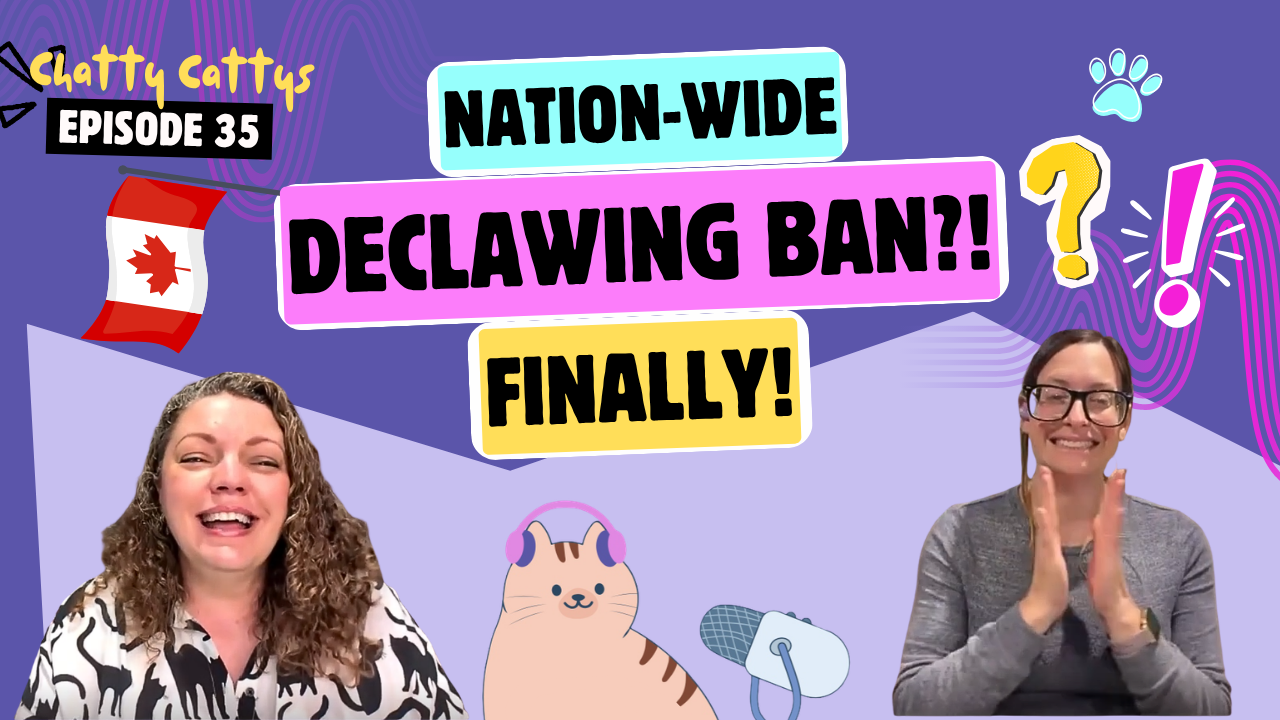
Declawing legislation received significant attention as multiple states and cities continue passing bans on the procedure. The hosts discussed why veterinary organizations oppose declawing, which surgeons recognize as amputation rather than nail removal. Many jurisdictions now classify it as animal cruelty, fundamentally shifting how vets approach pain management and behavior modification in cats. Dr. Karyn emphasized that scratching serves essential physical and psychological functions for cats, making appropriate scratching surfaces non-negotiable for cat owners.
The vegan cat diet discussion examined whether plant-based nutrition adequately supports feline health. Cats are obligate carnivores, requiring taurine, vitamin A, and other nutrients found primarily in meat. While some commercial plant-based cat foods exist, veterinarians remain cautious about their long-term effects. The hosts stressed consulting veterinary nutritionists before switching cats to vegan diets, as nutritional deficiencies can cause serious health problems including heart disease and vision loss.
The episode also explored internet mythology about cats and how misinformation spreads online. Before widespread internet access, cat care advice came primarily from veterinarians and breeding communities. Today, social media perpetuates outdated or incorrect information about cat behavior and health. Dr. Karyn encouraged listeners to verify claims through veterinary resources rather than assuming viral content contains accurate information.
These topics reflect current shifts in cat care standards and legislation. Declawing bans protect cat welfare while forcing owners and vets to address behavior problems through humane alternatives like behavioral training and environmental enrichment. Sleep behavior understanding helps owners create better living situations for their cats. Nutrition discussions push the industry toward evidence-based feeding recommendations rather than trending diets lacking veterinary support.
Cat owners interested in these subjects can access additional resources through the Catster website and veterinary organizations offering science-backed guidance on feline care, behavior, and health management.