# Cat With an Oversized Heart Survives Against Medical Odds, Becomes Subject of Inspirational Book
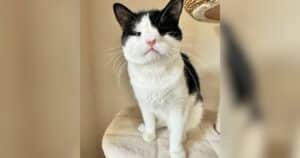
A cat born with a heart condition that should have been fatal has survived to inspire a published book about resilience and unconditional love. The feline's story demonstrates how medical determination and devoted pet ownership can overcome even severe congenital defects.
The cat, whose condition involved cardiomegaly or enlargement of the heart chamber, defied veterinary expectations by thriving despite organ abnormalities that typically prove fatal in feline patients. Most cats diagnosed with significantly enlarged hearts face rapid deterioration and early death. This particular animal's survival into adulthood represents an unusual medical outcome that caught the attention of animal advocates and storytellers.
The cat's journey from diagnosis to adulthood involved ongoing veterinary care and monitoring. Cats with enlarged hearts often require specialized cardiac medications, dietary adjustments, and careful activity management to prevent sudden cardiac events. The pet's owners worked closely with veterinary cardiologists to develop a treatment plan that extended the animal's lifespan far beyond initial prognosis.
The remarkable survival story resonated widely enough that someone documented the cat's life in book form. The publication serves as both a memoir of the individual animal's experience and a broader exploration of perseverance in the face of medical challenges. Such stories offer pet owners hope when their own cats receive serious cardiac diagnoses.
Feline heart disease remains one of the leading causes of illness in domestic cats. Hypertrophic cardiomyopathy, the most prevalent form, causes thickening of the heart muscle and can lead to blood clots, heart failure, and sudden death. Dilated cardiomyopathy, which causes chamber enlargement similar to this cat's condition, also carries a guarded prognosis. Veterinary cardiologists recommend regular screening for at-risk breeds and early intervention when abnormalities appear on echocardiograms.
The cat's story underscores the importance of regular veterinary exams that might catch cardiac issues before symptoms become obvious. Many cats hide illness effectively, making routine check-ups essential for early detection. When a veterinarian detects an irregular heartbeat or fluid in the lungs, further cardiac testing through ultrasound or echocardiography becomes necessary.
Pet owners facing similar situations with their own cats often feel overwhelmed by diagnosis and uncertain prognosis. Stories like this one provide both practical encouragement and emotional support. They demonstrate that cats with serious health conditions can still enjoy quality of life with proper medical care and committed owners willing to manage complex treatment plans.
The book itself contributes to broader conversations about animal welfare, medical ethics in veterinary care, and the human-animal bond. By sharing this cat's journey publicly, the author helps normalize serious feline health conditions and reduces stigma around medical complexity in pet ownership. Other cat owners facing cardiac diagnoses may find reassurance knowing that survival against medical odds, while rare, remains possible with vigilant care.