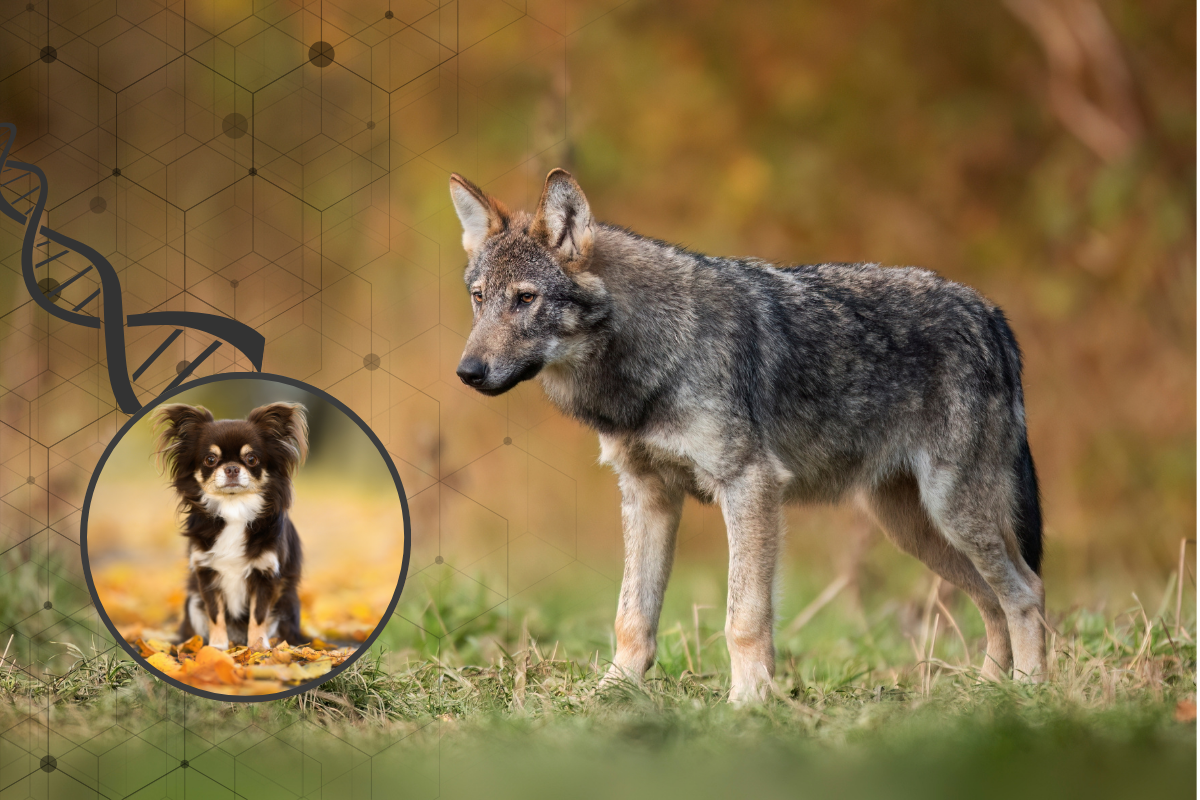
Dogs inhabited the Americas for thousands of years before European contact, according to Dogster. The animals were already living and thriving throughout South America, accompanying human populations long before the 16th century arrival of Hernán Cortés and the subsequent Spanish conquest of the Aztecs.
The presence of dogs in pre-Columbian Americas represents a significant part of indigenous human history across the continent. These animals served alongside Native American populations during periods far predating European exploration and colonization.
Dogster's reporting underscores how canines had become integrated into American societies well before the transformative events of the conquistador era. The domesticated dogs in South America during this ancient period lived as companions to indigenous communities, suggesting they played meaningful roles in daily life and culture.
This historical timeline challenges narratives that often center European arrival as the primary turning point in American history, highlighting instead the deep historical roots of human-animal relationships that existed independently of colonial contact. Dogs had already established themselves as part of the landscape and human experience across multiple South American regions.
The specific roles these pre-Columbian dogs played in indigenous societies remain part of the historical record of the Americas. Their presence demonstrates the long-standing connection between humans and canines in the Western Hemisphere, stretching back centuries before the events that would reshape the continent.