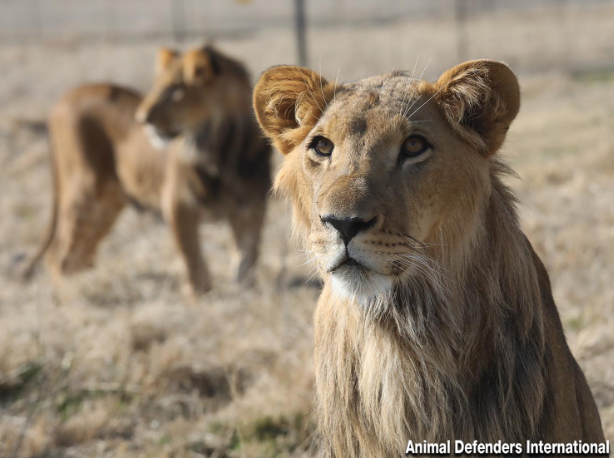
# Trophy Pets: Two Rescued Lions Finally Find Freedom
Two lions held in captivity as private pets have reached Africa after years of rescue efforts delayed by regional conflict. The animals, kept in unsuitable conditions far from their natural habitat, now begin a new chapter in an environment where they belong.
The rescue operation reflects a growing concern among wildlife experts about exotic cats trapped in the pet trade. Lions are wild animals with complex behavioral and physical needs that captive settings, no matter how well-intentioned, cannot fully meet. Private ownership of these apex predators poses risks to the animals themselves and to human handlers.
The lions faced a lengthy journey to freedom. War and political instability in the region initially prevented their transport to Africa, forcing rescue organizations to maintain temporary care while advocating for safe passage. These delays underscore how geopolitical challenges can complicate animal welfare operations. Coordinating international rescue efforts requires cooperation across borders, permits from multiple governments, and secure transport protocols.
Upon arrival in Africa, the lions entered a sanctuary environment designed to facilitate their transition from captivity to greater freedom. Unlike zoos or private collections, sanctuaries prioritize animal welfare and natural behavior expression. The lions will have space to roam, exhibit hunting behaviors, and interact with other members of their species in ways impossible in a home or small enclosure.
The rescue highlights the exotic pet problem in developed nations. Wealthy individuals sometimes acquire lions, tigers, and other large cats as status symbols or novelties, often underestimating the animals' needs. These pets become dangerous as they mature. Adult lions weigh up to 570 pounds and retain all their predatory instincts. Handlers face constant injury risk. When owners lose interest or realize the scope of responsibility, rescue organizations scramble to find placement.
Animal welfare groups worked tirelessly to secure this outcome. Their advocacy pushed for legal changes restricting private ownership of big cats and improved enforcement of existing wildlife protection laws. Each successful rescue builds momentum for broader policy reform.
The lions' story serves as a cautionary tale. Owning exotic animals exploits the creature for human gratification and typically ends badly. These animals belong in their native ecosystems or well-funded sanctuaries, not in backyards or private collections. Their rescue cost thousands of dollars and involved multiple organizations and governments. Prevention through stricter ownership regulations proves more efficient and humane than repeated rescue operations.
For pet owners considering any exotic animal, the message is clear. Domestic cats and dogs have undergone thousands of years of domestication and naturally coexist with humans. Lions and other big cats have not. Keeping them in captivity violates their nature and their welfare.
The two lions now have the opportunity to live as lions should. They will experience natural social structures, appropriate diets, and adequate space. Their rescue represents a victory for animal welfare advocates and a reminder that some animals simply do not belong in homes.