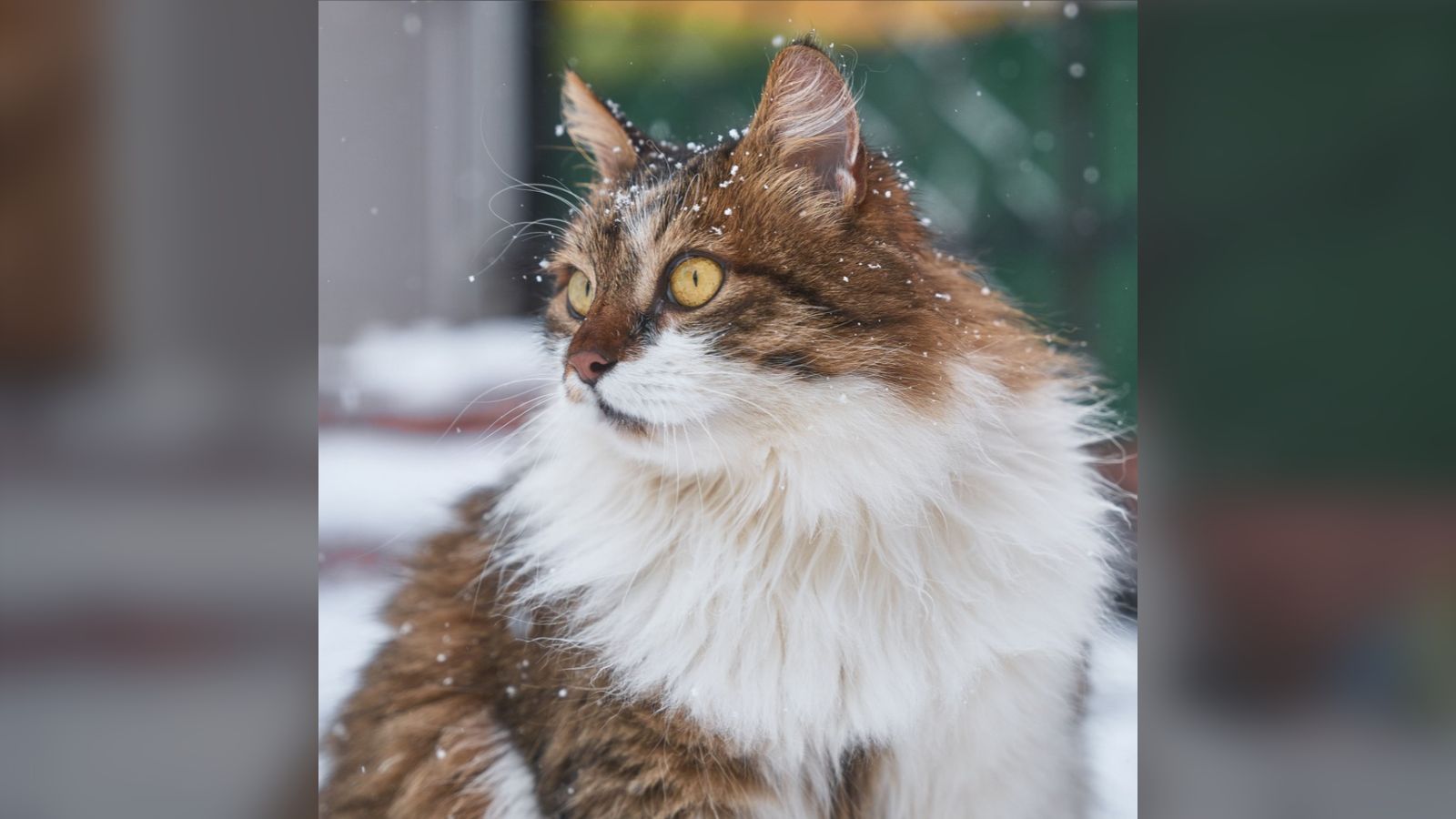
Every winter, outdoor cats face a danger that can turn deadly within hours. The report on Cat Man Chris's advice makes a clear case that ordinary kindness is not always enough. A cat that is freezing needs a specific response, and the wrong instinct can make things worse.
The report's most useful lesson concerns kittens. Offering food or milk to a chilled kitten seems generous, but the report says feeding a hypothermic kitten before warming it can be extremely dangerous, raising the risk of regurgitation and aspiration. Cat Man Chris's infographic also warns against hot water, heating pads placed directly on skin, and hot baths. Those warnings deserve wide circulation, because well-meaning people are most likely to repeat exactly these mistakes.
The report also shows that the problem starts long before a rescue. It notes that many outdoor cats do not have adequate shelter when winter arrives, and that wet fur removes the insulation cats rely on. That makes prevention the stronger argument. Elevated, insulated shelters lined with straw, which the report says resists moisture better than towels or blankets, cost little and can save lives. Outdoor heated water bowls and a quick check under parked cars before starting an engine are similarly modest steps.
Ice-stuck cats raise a different problem. The report is right that pulling a trapped animal free could injure delicate tissue, so the sensible move is to call animal control, a veterinarian, or a rescue group. Its suggestion of lukewarm water, applied gently, is a reasonable bridge while help is on the way.
My conclusion is simple. Communities should treat cold-weather cat safety as routine, not as an emergency only when someone is already in trouble. Share the warnings, build the shelters, and call a professional the moment a cat looks weak, unresponsive, or stuck. The report shows that knowing what not to do is part of saving an animal.