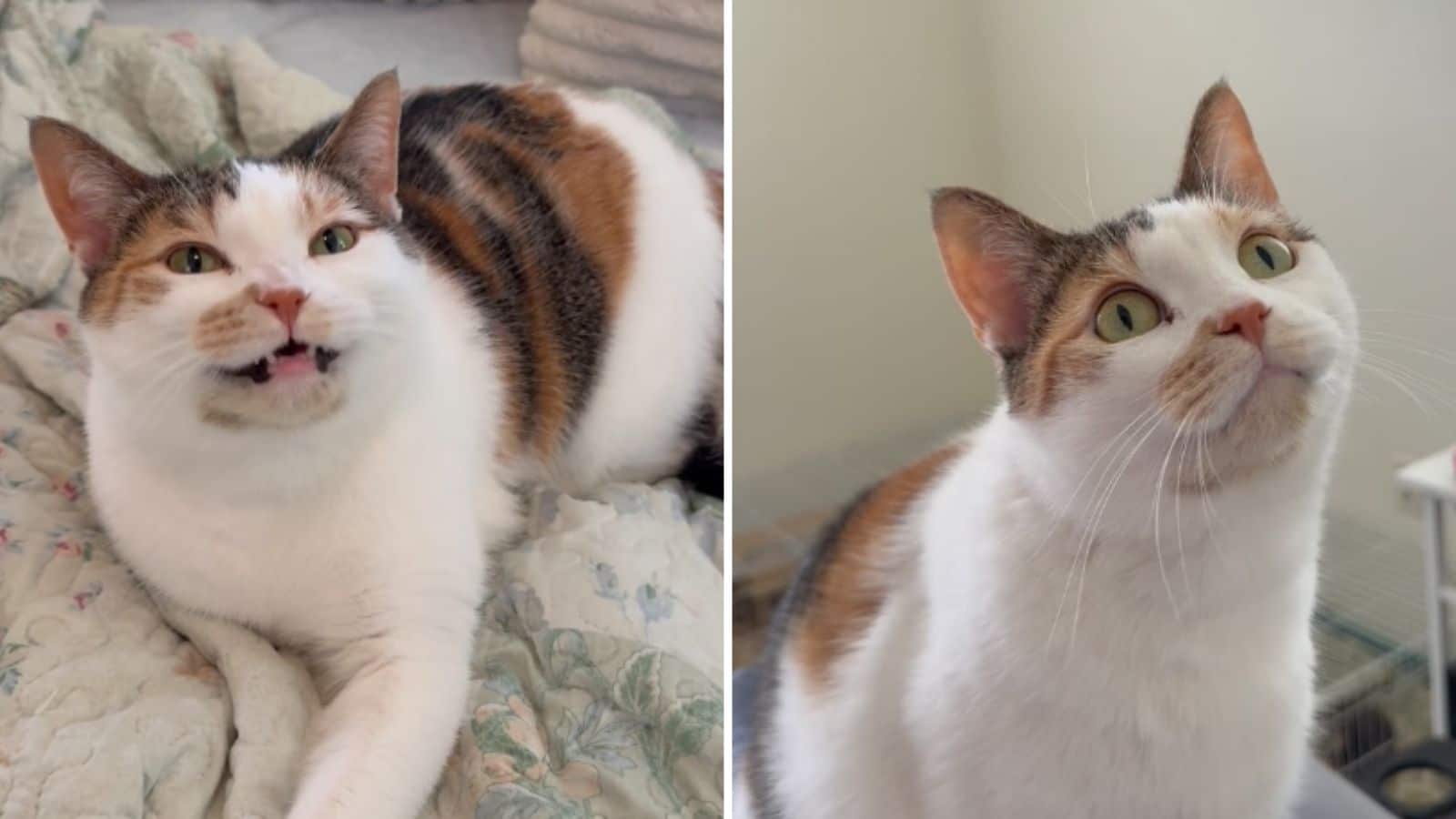
Zelda, the outspoken cat described in this report, has a reputation for making her presence known. Her human, Tally, says the cat meows during nearly every activity, from playing to asking for attention, and can be remarkably loud about it. A feline with that much to say is hard to ignore, and the report makes clear that Tally has accepted the running commentary as part of daily life.
What makes the story more than a cute anecdote is the way Zelda's temperament shifts. According to Tally, she can move from a feisty little princess to an affectionate companion within moments. She also sets boundaries: if she has had enough petting, she may bite, swat, or scratch. That is not a flaw to be smoothed over. It is a useful reminder that affection from a cat is often conditional, and that people who handle pets should read the animal's signals rather than assume the cat is always available for cuddles.
The report also shows a cat who is persistent in seeking attention. When Tally holds another cat, Zelda may squeeze herself between them, and Tally does not describe this as jealousy. Her greeting ritual, running down the hallway and meowing the whole way after Tally returns home, tells a similar story. Whatever the best label for these behaviours, they show a pet that clearly values closeness with her person.
The report's lighter details, including Zelda's love of boxes and her resemblance to a moldy loaf of bread according to some people, are harmless and entertaining. Still, the more useful takeaway is that Zelda's loud and unpredictable habits are the ones her owner has learned to read and respect. Readers with cats may recognise that kind of relationship, and the sensible next step is to pay attention to the signals a cat is giving, rather than treating every meow as a demand to be met on the spot.