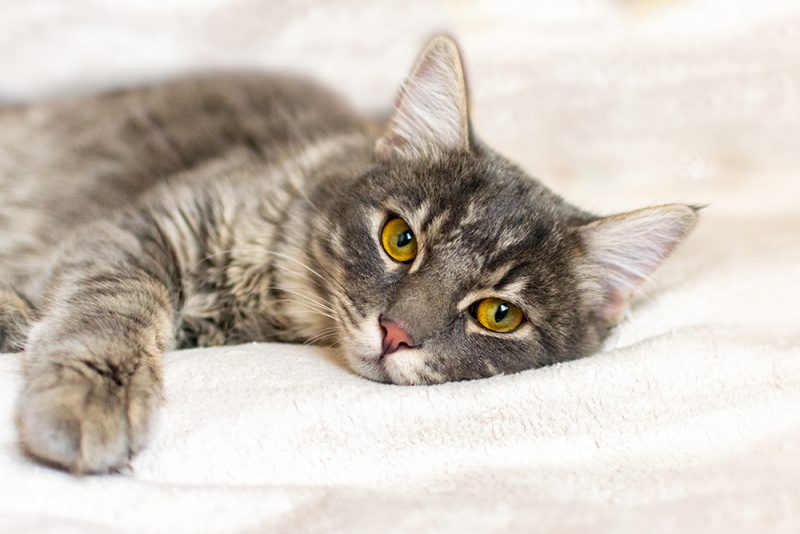
Autoimmune disease in cats is uncommon but can be serious and hard to diagnose, according to the Catster article. The report says the immune system malfunctions and attacks the body it is meant to protect.
The signs are often vague and can come and go. The article lists lethargy, weakness, decreased appetite, weight loss, vomiting, diarrhea, pale gums, bruising, a high temperature, limping, swollen joints, skin sores, increased thirst, and collapse. The article says any of these signs warrant prompt contact with a vet.
The exact triggers are not fully understood, according to the report. Viral infections, vaccination, medications, inherited conditions, and hormones have all been linked to autoimmune disease. The article says the trigger is usually not the underlying cause.
Diagnosis is often a process of elimination, the article says. A vet may run blood and urine tests, X-rays, or an ultrasound, and may take samples from wounds or rashes.
Treatment varies by disease type, the report says. The usual approach uses immune-suppressing medication, most often corticosteroids such as prednisone or dexamethasone. The article notes that some dog and human medications are toxic to cats. It also states that the article's authors say there is no c