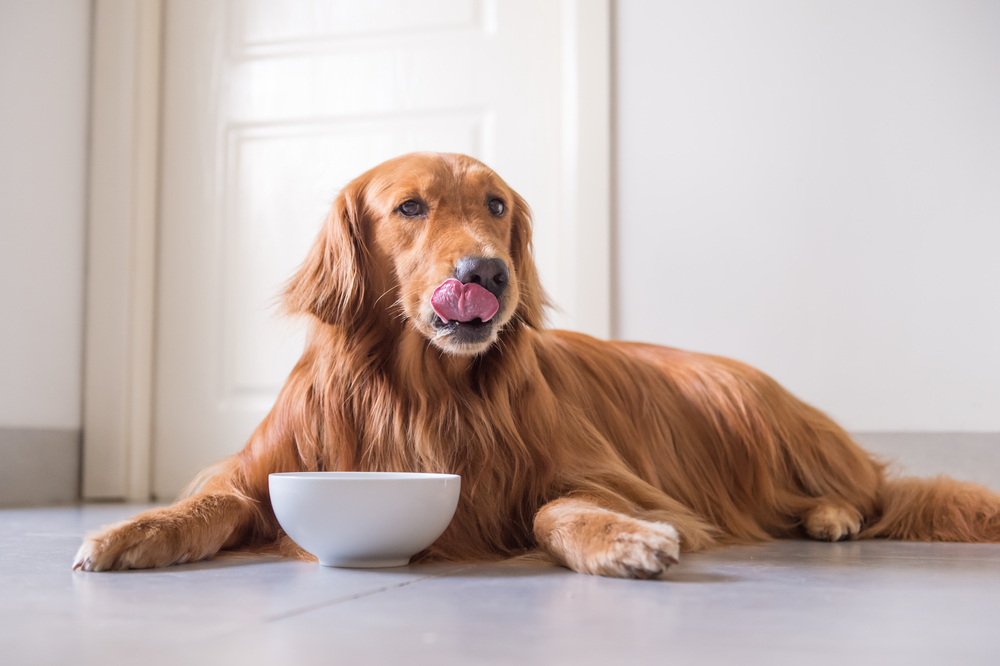
Some dogs consistently leave a few pieces of kibble in their bowl rather than eating every last bite, a behavior that puzzles many pet owners who expect their dogs to clean their plates.
Several factors explain why dogs leave food behind. Dogs may become full before finishing the entire portion, especially if their owner has provided more food than the dog actually needs. Picky eaters sometimes reject specific kibble pieces that differ in size, shape, or taste from others in the bowl. The texture or hardness of certain pieces can also deter consumption.
The location of the food bowl matters too. Dogs may leave food behind if the bowl sits in an uncomfortable spot, such as near high-traffic areas, loud appliances, or places where the dog feels exposed or anxious. Some dogs prefer eating in quiet, secluded locations.
Dental problems rank among the more serious causes of leaving food uneaten. A dog with tooth pain, gum disease, or other oral issues may struggle to chew harder kibble pieces and abandon them rather than work through the discomfort. Older dogs with worn teeth sometimes exhibit this behavior.
Nutritional status plays a role as well. Dogs eating high-quality, nutrient-dense food may feel satisfied with smaller portions than dogs eating less nutritious diets. A dog receiving adequate nutrition might naturally leave food behind without issue.
Behavioral factors contribute too. Some dogs develop habits around leaving food, particularly if they've learned their owners will remove uneaten portions or provide different food. Stress, changes in routine, or new environments can suppress appetite and cause incomplete eating.
Pet owners noticing persistent food-leaving behavior should observe the circumstances closely. If the dog appears healthy and maintains stable weight, occasional leftovers pose no concern. However, consistent patterns warrant attention. Owners should examine the food bowl's location for stressors, check the kibble size and quality, and monitor the