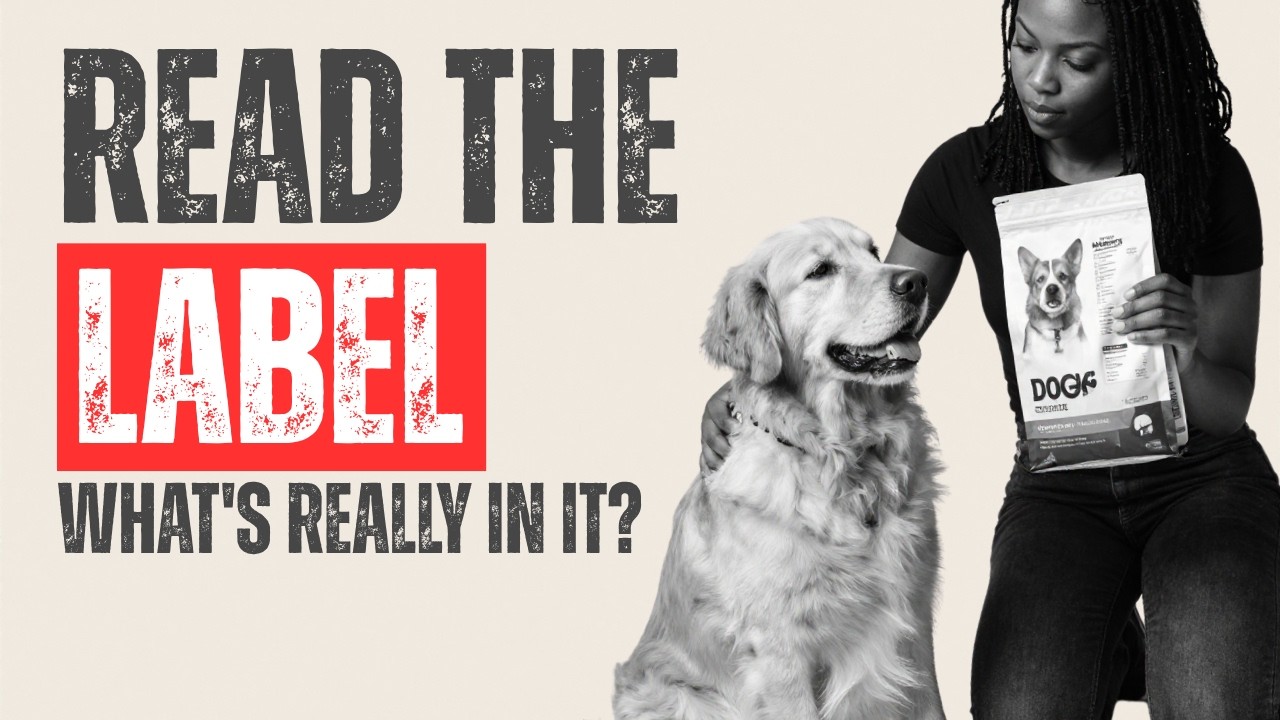
Dog food labels contain pages of information, yet most pet owners scan them without understanding what truly matters. A new video guide from Whole Dog Journal breaks down the elements that actually influence your dog's health and helps owners navigate marketing language designed to confuse.
The label breakdown starts with ingredients, the foundation of any complete diet. Pet owners often fixate on whether meat appears first, but the video explains that ingredient order reflects weight before processing, not nutritional value. What matters more is the total protein content, fat levels, and whether the formula includes whole foods versus by-products. The video addresses common misconceptions about grain-free diets and explains why fiber sources matter for digestive health.
Beyond ingredients, the video emphasizes checking who formulated the food. Reputable manufacturers employ board-certified veterinary nutritionists who design diets to meet Association of American Feed Control Officials (AAFCO) standards. The presence of a veterinary nutritionist's name on the label signals serious nutritional science behind the formula, not just marketing appeal. Many boutique brands lack this credential, yet market themselves as superior based on trendy ingredients alone.
Feeding trials separate science-backed foods from those relying solely on calculations. The video explains that AAFCO has two ways to approve pet food: through formulation (meeting a recipe standard) or through actual feeding trials on live animals. Feeding trials demonstrate that a food produces healthy results in real dogs, catching nutritional gaps that formulas might miss. Companies that conduct feeding trials typically note this on their packaging or website. This distinction matters because it shows whether the manufacturer tested their claims.
Manufacturing location and quality control protocols receive attention as well. Foods produced in facilities with rigorous safety standards and regular testing reduce contamination risks. The video notes that some companies manufacture domestically while others outsource production, and transparency about sourcing reflects corporate accountability.
The guide walks owners through understanding guaranteed analysis sections, which list minimum protein and fat percentages plus maximum fiber and ash content. These numbers help owners compare foods objectively. A premium food and a budget option might differ significantly in digestibility and nutrient bioavailability, factors the label doesn't always reveal.
The video also addresses marketing language that confuses rather than clarifies. Terms like "natural," "holistic," and "premium" lack legal definition in most cases. "Made with real chicken" means only a small percentage of the recipe contains chicken. "Chicken meal" contains more concentrated protein than fresh chicken, yet gets dismissed by owners who see "meal" as inferior. Understanding these terms prevents falling for marketing tricks.
Practical takeaways include checking multiple sources before switching foods, consulting your veterinarian about your individual dog's needs, and recognizing that expensive doesn't always mean better. Some dogs thrive on budget-friendly formulas from established manufacturers with nutritionist oversight. Others need prescription or limited-ingredient diets due to allergies or digestive issues.
Pet owners often feel overwhelmed by ingredient lists and conflicting online advice. This video cuts through confusion by identifying what actually correlates with dog health outcomes. Using these criteria when shopping helps owners select foods backed by science rather than marketing.