# Decoding Strange Cat Behavior: What Your Cat Is Really Trying to Tell You
Cats shift from serene and predictable to unpredictable in seconds. Your calm feline suddenly hides, becomes unusually clingy, produces odd vocalizations, or acts entirely unlike themselves. These moments leave cat parents confused and concerned about what's happening inside their pet's head.
Strange behavior in cats rarely stems from nothing. Cats communicate through actions when words fail them. Understanding these signals keeps your cat healthy and your relationship strong.
Common strange behaviors fall into two categories: normal feline quirks and signs of underlying problems.
**Normal Feline Weirdness**
Cats engage in behaviors that seem bizarre to humans but are perfectly normal cat conduct. The "zoomies," or sudden bursts of sprinting energy, happen when cats channel their hunting instincts indoors. Your cat may race from room to room, leap onto furniture, and attack imaginary prey. This behavior peaks during dawn and dusk, mimicking wild hunting patterns.
Kneading, where cats push their paws repeatedly against soft surfaces, traces back to kittenhood. Nursing kittens knead their mother's belly to stimulate milk flow. Adult cats knead when content, stressed, or preparing a sleeping spot. This behavior signifies comfort and affection.
Slow blinking at you represents the feline version of a kiss. When your cat's eyes close slowly while looking at you, they're showing trust and love. Slow blink back to reinforce the bond.
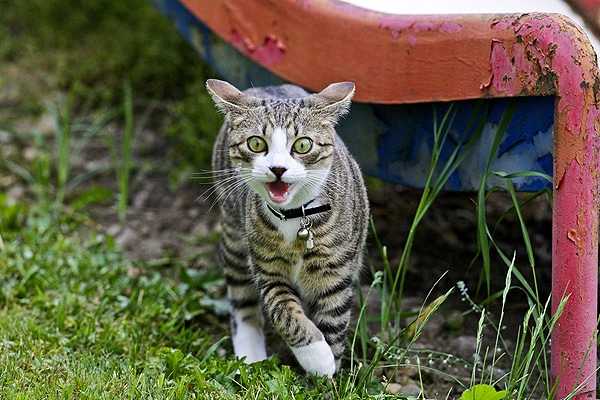
Chattering at birds through windows combines frustration and predatory excitement. Your indoor cat watches prey they cannot reach, triggering vocalizations that mimic the kill bite.
**When Behavior Signals a Problem**
Behavioral changes warrant veterinary attention. Excessive hiding indicates pain, illness, stress, or fear. Cats naturally hide when unwell, following instincts to protect themselves when vulnerable.
Increased clinginess or excessive meowing can signal anxiety, hyperthyroidism, cognitive dysfunction in senior cats, or medical discomfort. A formerly independent cat suddenly following you everywhere needs evaluation.
Litter box avoidance points to urinary tract infections, kidney disease, diabetes, or gastrointestinal issues. Behavioral changes combined with litter box problems demand immediate veterinary care. Conditions like feline lower urinary tract disease (FLUTD) cause pain that changes how cats use the box.
Aggression, restlessness, or destructive behavior may indicate hyperthyroidism, especially in older cats, or pain from arthritis or dental disease.
**What to Do**
Start by scheduling a veterinary exam. Your vet will rule out medical causes through physical examination and bloodwork if needed. Cats hide illness exceptionally well, so professional assessment matters.
Document behavior changes before your appointment. Note when they started, how often they occur, and what triggers them. This information helps your vet identify patterns.
Consider environmental stressors. New pets, moving, construction noise, or schedule changes stress cats. Environmental enrichment like vertical space, hiding spots, and interactive play reduces anxiety.
Your veterinarian can recommend behavior modification strategies or refer you to a feline behavior specialist if medical causes are ruled out.
Cats cannot tell you when something feels wrong. Their behavioral language requires translation. Paying attention to changes and acting quickly protects your cat's wellbeing.