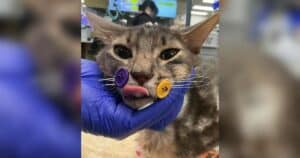
# Cat Survives 10-Story Fall While Chasing Cicadas, Makes Remarkable Recovery
A domestic cat named Lapis survived a plunge from a 10-story building while pursuing cicadas, demonstrating the remarkable resilience cats often display in high-fall incidents. The cat fell from an apartment building in an urban area after becoming fixated on the insects buzzing around the exterior.
Lapis landed with injuries but remained conscious and alert after the fall. Veterinarians examined the cat following the incident and found trauma consistent with the extreme height. Despite the severity of the fall, Lapis avoided the most catastrophic injuries that typically result from such accidents.
The case highlights an often-overlooked hunting instinct in domestic cats. Cicadas emerge seasonally and create loud buzzing sounds that trigger predatory responses in feline prey drive. Cats will chase moving insects with single-minded focus, sometimes ignoring environmental dangers like open windows, balconies, and ledges. This hunting behavior proves especially problematic for cats living in high-rise apartments or buildings.
Veterinary experts have documented the "high-rise syndrome" phenomenon for decades. Cats falling from heights above five stories often survive because they reach terminal velocity around 60 miles per hour. At this point, cats relax their muscles and spread their bodies like a parachute, distributing impact force more evenly across their body. Their flexible spines and lack of rigid skeletal structures also absorb shock better than humans or dogs would.
Most cats who survive high falls sustain injuries ranging from fractured legs and jaws to punctured lungs and internal bleeding. Recovery timelines vary based on injury severity. Many cats require extended veterinary care including pain management, antibiotics to prevent infection, and physical rehabilitation.
Pet owners living in apartments or high-rises should take specific precautions to prevent cicada-hunting mishaps. Secure window screens firmly and check for gaps or damage regularly. Keep windows closed during peak cicada season. Supervise cats on balconies and patios. Remove attraction points like window plants that draw insects near glass.
For cats already obsessed with insects, environmental enrichment and indoor hunting toys provide safer outlets for predatory instinct. Feather wands, laser pointers, and motorized toys satisfy the chase drive without exposing cats to window-related dangers.
Lapis's owner discovered the cat missing after the fall and initiated a search. The discovery came after neighbors reported seeing the cat. Emergency veterinary treatment began immediately upon recovery.
The case demonstrates why pet owners should never underestimate how far a cat will go to pursue prey. Cicadas emerge cyclically in many regions, creating predictable windows when indoor cats face heightened escape and injury risk. Vigilance during these periods saves lives.
Lapis continues recovering at home with ongoing care from veterinary professionals. The cat's survival offers hope to owners facing similar situations, though prevention remains far preferable to emergency treatment for such dramatic injuries.