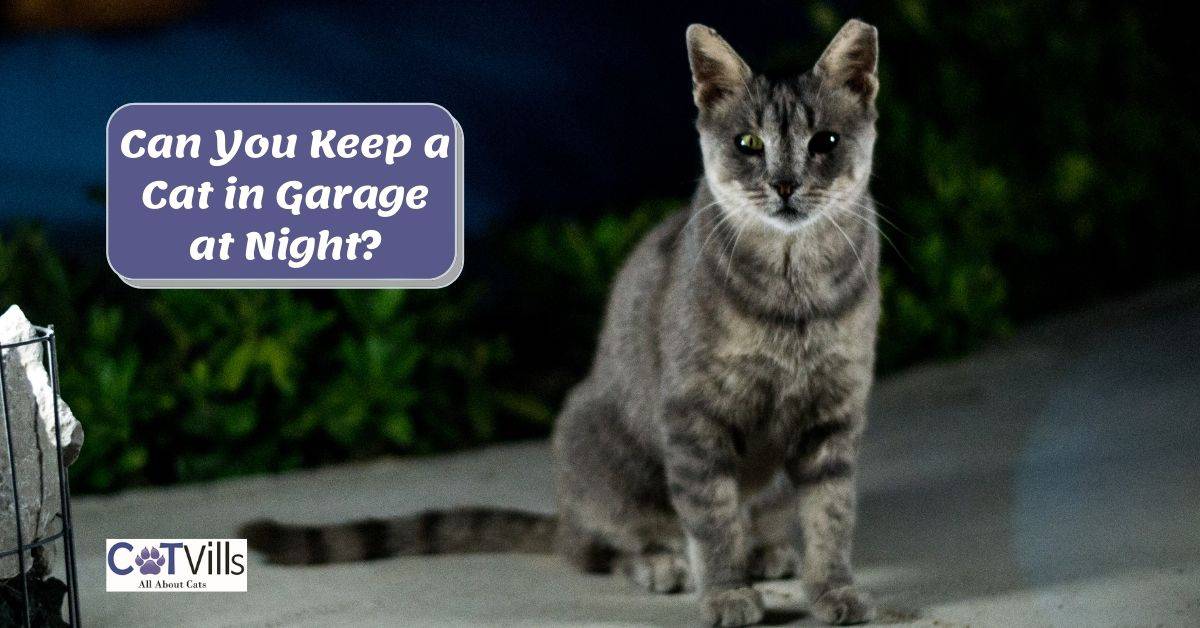
# Can You Keep a Cat in a Garage at Night? Safety First
Garages pose real risks for cats. Before you confine your cat to this space overnight, understand the hazards and alternatives available to you.
Garages contain multiple dangers that can injure or kill cats. Cars present obvious risks. A driver may not see a cat sleeping beneath a vehicle or curled up in a wheel well. Running engines produce carbon monoxide, a colorless, odorless gas that poisons cats quickly. Even brief exposure in an enclosed garage can cause serious harm.
Beyond vehicles, garages house toxic substances. Antifreeze tastes sweet to cats but causes kidney failure within hours of ingestion. Paint thinners, gasoline, pesticides, and fertilizers stored on shelves or in cabinets all present poisoning risks. Cats exploring at night may knock over containers or chew through packaging.
Tools and equipment create additional hazards. Sharp edges on metal shelves, nail guns left accessible, and heavy items stored precariously overhead threaten injury. Cats jumping onto unstable stacks of boxes can trigger collapses.
If you need to separate cats temporarily, a bedroom or bathroom works better than a garage. These rooms are easier to cat-proof. You control temperature and humidity more precisely. Your cat has access to litter boxes, food, water, and comfortable resting spots without exposure to toxins.
For stray cats, temporary garage stays require extensive preparation. Remove all vehicles first. Clear away chemicals and tools completely. Set up a separate litter box area far from where a car would park. Provide fresh water and appropriate food. Cover windows to reduce stress from outdoor activity. Keep the space warm, ideally between 60 and 80 degrees Fahrenheit.
Never leave a cat in an unheated garage during winter. Cats become hypothermic quickly in cold environments. Summer garages become dangerously hot with poor ventilation.
If you cannot avoid using a garage, visit frequently during the night. Check on the cat every few hours. Look for signs of distress, injury, or escape attempts. Have a veterinarian's number ready in case of emergency.
Better solutions exist. If you need to isolate a cat from another pet, use a separate room in your home. If you've found a stray, contact local shelters or rescue organizations. Many offer temporary housing programs for strays. These facilities provide medical screening, food, and safe conditions while staff work to locate the cat's owner or arrange adoption.
Your cat's safety depends on the environments you allow them to occupy. Garages fail to meet cats' basic needs for safety, comfort, and security. Explore safer alternatives whenever possible. Your cat's health and your peace of mind both benefit from keeping them out of the garage at night.