# Quiet Cat Breeds for Peaceful Homes
If you live in an apartment, work from home, or simply prefer a calm household, the breed you choose matters. Some cats are naturally vocal, while others communicate with soft chirps, head bumps, and silent meows. These quiet cat breeds make excellent companions for people who want a feline friend without constant noise.
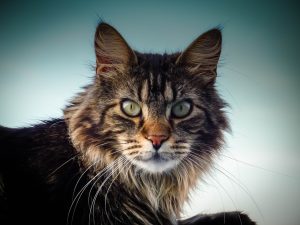
Maine Coons top the list of surprisingly quiet large cats. Despite their massive size, reaching up to 18 pounds, Maine Coons are gentle giants known for chirping and trilling rather than loud meowing. They bond deeply with their families but respect personal space, making them ideal for multi-pet households and busy owners.
Russian Blue cats earn their reputation as quiet companions through reserved personalities. These elegant, silvery-coated cats are observant and thoughtful, preferring to watch their surroundings rather than announce their presence. Russian Blues form strong bonds with trusted family members but remain aloof around strangers, communicating through subtle body language and occasional soft vocalizations.
British Shorthairs bring calm energy to any home. Their stocky build, round faces, and dense coats make them recognizable worldwide. These cats are independent but affectionate, content to lounge nearby while you work or read. Their quiet nature doesn't mean coldness, they simply prefer showing love through proximity rather than constant vocalization.
Ragdoll cats, despite their playful reputation, remain notably quiet. These pointed-pattern beauties go limp when picked up, hence their name. Ragdolls follow their owners from room to room but do so silently, making them perfect for those wanting companionship without distraction.
Scottish Folds present an adorable quiet option. Their distinctive folded ears and sweet expression hide independent personalities. Scottish Folds bond with family members but don't demand constant attention, and they vocalize sparingly.
Tonkinese cats round out the quiet breeds, though they're more active than others on this list. Tonkinese cats blend the quietness of Burmese cats with Siamese intelligence. They engage with their families through play and affection but without excessive meowing.
Choosing a quiet breed helps create a peaceful living environment. Keep in mind that individual personality matters more than breed tendencies. A well-socialized kitten from a talkative breed might remain quieter than an anxious cat from a quiet breed. Early socialization, proper enrichment, and a stable home environment all influence vocalization levels.
When adopting, spend time with the individual cat before committing. Ask shelter staff or breeders about the cat's personality and vocal habits. Some cats develop excessive meowing due to stress, medical issues, or unmet needs, so a veterinarian should evaluate any sudden changes in behavior.
These quiet breeds offer peaceful companionship for households that value tranquility. Whether you choose a Maine Coon's gentle chirping or a British Shorthair's silent companionship, quiet cats provide affection on terms that suit peaceful living spaces.