# The Chattiest Cat Breeds: Which Felines Love to Talk
Some cat breeds are born communicators. If you live in a household that thrives on conversation and feline feedback, selecting the right breed matters. Certain cats vocalize constantly, while others remain silent observers. Understanding which breeds talk the most helps prospective owners set realistic expectations about noise levels and interactive behavior.
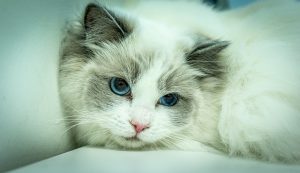
The most talkative cat breed overall is the Siamese. These striking blue-eyed felines produce loud, persistent meows that sound almost human-like. Siamese cats demand attention and will vocalize throughout the day, especially when separated from their owners. They engage in two-way conversations, responding to human speech with their own vocalizations. This trait stems from their deeply social nature. Siamese cats bond intensely with their families and use voice as their primary method of connection.
Oriental Shorthairs closely resemble Siamese cats in temperament and loudness. They inherit the same chatty disposition and produce similar vocal patterns. These cats share the Siamese's need for constant companionship and will voice complaints if left alone too long.
Bengal cats bring wild ancestry into the home, and their vocalizations reflect that heritage. They chirp, trill, and produce unusual sounds alongside traditional meows. Bengal owners report conversations that span multiple rooms and occur throughout the day. These energetic cats use sound to express excitement, frustration, and affection.
Tonkinese cats blend Siamese heritage with Burmese bloodlines, resulting in a moderately vocal breed. They meow frequently but typically at lower volumes than pure Siamese cats. Tonkinese felines enjoy social interaction and will initiate contact through sound.
The Burmese breed ranks among vocal cats despite their smaller body size. These compact, muscular cats produce surprisingly loud vocalizations. Burmese owners describe constant communication about food schedules, playtime, and affection requests.
Turkish Vans vocalize distinctly among their peers. These water-loving cats chirp and trill rather than producing traditional meows. Their vocalizations often accompany their desire to play or their enthusiasm for water-based activities.
Norwegian Forest Cats and Maine Coons, though large breeds, produce high-pitched trills and chirps. Their size contrasts dramatically with their delicate vocal patterns. Both breeds communicate frequently with household members, though less insistently than Siamese cats.
Abyssinian cats chatter, chirp, and meow throughout the day. These active, athletic cats vocalize while playing and exploring. Their vocalizations form part of their expressive personality.
The Balinese breed inherits Siamese vocal tendencies. These long-haired cats produce the same demanding meows as their short-haired cousins.
Cornish Rex and Devon Rex cats produce soft meows and chirps. Despite smaller body sizes, they vocalize regularly to maintain connection with their owners.
Savannah cats, bred from African Serval ancestry, produce unusual sounds including hisses and chirps alongside traditional meows. Their wild heritage shows through in distinctive vocalizations.
Pet owners seeking quiet companions should avoid these breeds. Those who appreciate feline conversation and interactive communication thrive with vocal cats. Understanding your comfort level with cat noise helps ensure a successful long-term relationship with your chosen breed.