# Spotted and Striped Cat Breeds: True Breeds vs. Tabby Patterns
When cat owners see a spotted or striped feline, they often assume they're looking at a specific breed. The reality is more complex. Pattern and breed are two separate genetics. Understanding the difference helps prospective cat owners make informed choices about the animals they bring home.
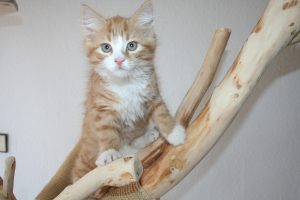
Tabby patterns exist across nearly every cat breed. The tabby gene creates four distinct marking types: classic (swirls), mackerel (stripes), spotted, and ticked. These patterns appear in domestic shorthair cats, Maine Coons, Persians, and many others. Pattern alone does not determine a cat's identity or value. A tabby Maine Coon remains a Maine Coon. A tabby domestic shorthair remains a domestic shorthair, regardless of how striking its markings appear.
Certain breeds, however, specialize in spotted or striped coats. The Bengal cat represents one extreme example. Developed by crossing domestic cats with Asian Leopard Cats, Bengals display bold spotted or marbled patterns as their defining characteristic. Their muscular build, wild appearance, and interactive personality make them distinctly different from tabby cats that simply happen to have similar markings.
The Egyptian Mau breed stands apart as the only naturally spotted domestic cat recognized by major registries. Egyptian Maus display large, distinct spots that develop through selective breeding over generations. Their gooseberry-green eyes, slender frames, and reserved temperament distinguish them from other spotted cats. Breeders work deliberately to maintain these breed standards.
The Ocicat breed emerged from intentional crosses between Siamese, Abyssinian, and American Shorthair cats. Breeders aimed to create a domestic cat with a wild ocelot appearance, complete with spotted coats. Ocicats combine those spotted markings with muscular builds and distinctive personalities. Like the Bengal, the Ocicat exists as a purpose-bred domestic breed designed to exhibit specific traits beyond simple pattern.
Toyger cats showcase human breeding efforts to create a tiger-striped domestic cat. These striped cats carry deliberate breeding for their distinctive appearance, larger size, and athletic build. The name itself reflects their goal: a toy tiger in house-cat form.
For cat owners, this distinction matters when selecting a pet. A random tabby cat costs adoption fees at shelters. A Bengal kitten from a registered breeder costs thousands of dollars because of the complex breeding required to maintain breed standards. An Egyptian Mau commands premium prices due to their rarity and specialized genetics.
Breed registries like The International Cat Association and the Cat Fanciers' Association maintain strict standards for recognized breeds. Maine Coons with tabby markings meet breed standards if they demonstrate correct body structure, head shape, and temperament. Spotted domestic shorthairs, however striking their markings, remain domestic shorthairs without pedigree documentation.
Understanding pattern versus breed prevents disappointment. A kitten with beautiful spots might be a domestic shorthair rather than an Ocicat or Egyptian Mau. Both types make wonderful companions, but they represent different commitments in terms of cost, personality traits, and long-term care needs. Education about genetics helps cat owners appreciate the animals they adopt while making realistic decisions about their next feline family member.