# The 15 Best Cat Scratching Posts and Scratchers of 2026 To Satisfy Natural Instincts
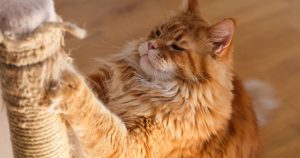
Cats scratch. It's not a behavior problem. It's a biological necessity that keeps their claws healthy, marks territory, and helps them stretch their muscles. Providing the right scratching post prevents destructive furniture damage while giving your cat an outlet for this essential instinct.
A quality scratching post addresses multiple feline needs at once. When cats scratch, they shed the outer sheath of their claws, keeping nails sharp and functional. They also deposit scent glands located in their paw pads, which marks territory and creates a sense of security in their environment. Scratching sessions double as full-body stretches, working muscles from their paws through their shoulders and spine.
The market offers diverse scratching solutions to fit different cat personalities and living spaces. Vertical posts suit cats who prefer to stretch upward while scratching. These tall structures, typically made from sisal rope or corrugated cardboard, give climbing cats the height they crave. Horizontal scratchers appeal to cats who enjoy a lower-to-the-ground scratching angle, mimicking the natural behavior of dragging claws across tree bark or logs.
Wall-mounted scratchers save floor space in apartments and smaller homes. These angled or vertical boards mount directly to walls, creating dedicated scratch zones without consuming precious real estate. Corner scratchers fit snugly into room angles, making efficient use of typically unused space.
Material matters considerably. Sisal rope wraps around wooden posts and provides excellent grip for claw extension. Sisal matting offers a flat surface similar to cardboard. Corrugated cardboard satisfies cats who enjoy the tactile feedback of shredding, plus cardboard scratchers are replaceable and recyclable. Some posts combine materials, offering both rope and cardboard sections to appeal to cats with varying preferences.
When selecting a scratching post, consider your cat's age and mobility. Senior cats benefit from lower posts or horizontal scratchers that don't require jumping or climbing. Kittens enjoy taller structures that let them practice climbing and stretching. Multiple cats in one household benefit from several posts placed in different locations, reducing territorial conflicts.
Stability matters. A wobbly post that moves when your cat leans into scratching defeats the purpose and discourages use. Quality posts feature wide, heavy bases or secure wall mounting that prevents tipping during vigorous scratching sessions.
Placement strategy increases adoption rates. Position scratching posts near furniture your cat targets, along their natural pathways, and in areas where they already spend time. Some cats respond to catnip or silvervine sprinkled on new posts. Others simply need time to discover the post independently.
Introducing a scratching post works best through positive association. Never force your cat to use it. Instead, place treats near the post, play with toys on it, or gently guide your cat's paws across the surface to demonstrate its purpose. Praise and reward scratching behavior when it occurs naturally.
Regular maintenance extends post lifespan. Rotate removable cardboard scratchers to expose fresh surfaces. Check rope wrapping for loose strands that could catch claws. Clean surface dust periodically to keep the post inviting.
The 15 top scratching solutions for 2026 range from budget-friendly cardboard options under $20 to premium multi-level cat trees exceeding $200. Your best choice depends on your cat's scratching preferences, your home layout, and your budget. Investing in proper scratching outlets protects furniture while honoring your cat's natural biology.