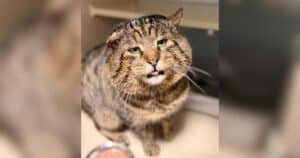
# Gruff Shelter Cat Melts Into Purring Softie the Moment Someone Shows Affection
A shelter cat with a intimidating exterior has captured hearts online by revealing his unexpectedly tender side when someone offers him physical affection. The feline's transformation from tough-looking resident to purring softie demonstrates how first impressions can deceive, and underscores why shelter staff urge potential adopters to spend time with cats before making judgments.
The cat's story resonates with animal rescue workers who frequently encounter similar cases. Cats in shelters often display defensive or withdrawn behavior during their initial adjustment period. Stress, unfamiliar surroundings, and the trauma of abandonment or surrender can mask a cat's true personality. What appears as aggression or aloofness often dissolves once the animal realizes it has found a safe, caring environment.
Physical touch plays a central role in feline bonding. When a shelter cat that seems unapproachable suddenly begins purring during petting, it signals trust and contentment. The rumbling purr indicates that the nervous system has shifted from high alert to relaxation. Shelter volunteers understand that consistent, gentle handling helps anxious cats transition from defensive posturing to social engagement.
This particular cat's story has practical value for adopters. Many people walk past shelter cats that appear unfriendly or aloof, assuming those animals won't make good pets. The reality differs significantly. A reserved cat in a shelter cage might transform completely once placed in a home where it feels secure. Some of the most affectionate adult cats were once considered unadoptable due to shelter behavior.
Adoption agencies recommend spending extended time with cats before deciding. Observing a cat in a quiet adoption room, away from shelter noise and stress, reveals personality much more accurately than viewing the animal in a kennel. A cat that appears grumpy in a cage may seek lap time and head rubs in a calmer setting. Petting tests prove invaluable. A cat that pulls away initially but remains present when touched might simply need patience and gentle reassurance.
This cat's viral moment carries an important message for shelter visitors. The toughest-looking cats in rescue facilities often harbor the deepest capacity for affection. Scarred faces, torn ears, or a stocky build need not indicate an unfriendly temperament. Many of these cats have survived rough lives and simply need someone willing to look past their gruff exterior.
Shelter staff continue emphasizing the transformation potential of rescue animals. Video documentation like this one helps prospective adopters understand that physical appearance and initial behavior rarely predict a cat's personality long-term. The sweetest companions sometimes wear the most intimidating masks.
This cat's journey from wary shelter resident to affectionate companion illustrates why rescue adoption remains rewarding. Animals that seem hardened often prove most grateful for second chances.