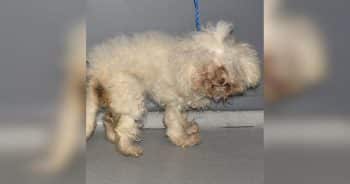
# Dog Abandoned in Cardboard Box Transforms Through Patient Adoption
A dog left in a cardboard box on the street faced a long road to recovery. The frightened animal showed extreme fear around everyone she encountered. Her breakthrough came when the right adopter recognized her potential and committed to helping her heal.
Rescue workers found the dog in distress after her abandonment. The trauma of being discarded left her withdrawn and defensive. Staff at the shelter noted she cowered from human contact, growling and backing away when people approached. Her body language screamed distrust. Recovery seemed uncertain in those early days.
The turning point arrived when a woman visited the shelter looking for a companion. She saw past the dog's fearful behavior to the scared animal underneath. Rather than choosing an already-confident dog, she decided to adopt this traumatized animal and work through her issues together.
The adoption marked the start of a patient, slow healing process. The new owner took time to let the dog adjust at her own pace. She avoided forcing interaction. Instead, she created a safe space where the dog could learn that humans could be trustworthy. Days turned into weeks. The dog gradually began to relax in her new home.
Small milestones meant everything. A tail wag. A moment where the dog didn't flinch at movement. Eye contact held for a few seconds longer. These tiny victories showed progress. The owner celebrated each one, understanding that trust rebuilds slowly for traumatized animals.
Behaviorists recognize that dogs abandoned in harsh circumstances often develop fear-based aggression or complete shutdown behavior. These animals carry trauma that requires patience, consistency, and often professional guidance. The recovery timeline varies. Some dogs blossom in weeks. Others need months or years to fully feel safe.
This story reflects a broader reality about rescue adoption. Many people seeking dogs want animals that are already confident and outgoing. But animals with behavioral challenges often spend longer in shelters waiting for the right home. They need adopters willing to invest time and emotional energy without expecting immediate gratification.
The transformation happening in this dog's life demonstrates something rescue organizations emphasize constantly. A scared dog is not a broken dog. With appropriate care, patience, and a committed person willing to let healing unfold naturally, traumatized animals show remarkable capacity for recovery.
Rescue staff watched the change unfold. The dog that once trembled at human presence began seeking attention on her own terms. Her posture shifted. Her eyes brightened. She started playing. The weight of her past didn't disappear overnight, but its grip loosened day by day.
This adoption illustrates why rescue workers celebrate adoptions of difficult cases as much as placements of easier dogs. The commitment required runs deeper. The patience needed demands real sacrifice. Yet the transformation proves infinitely rewarding for both animal and adopter.
For potential adopters considering a fearful dog, veterinarians and certified animal behaviorists recommend starting with professional assessment. Understanding the dog's specific triggers helps create an appropriate environment. Slow introductions to new people, consistent routines, and positive reinforcement through treats and gentle handling support successful transitions.
This dog's story offers hope to others waiting in shelters. Rescue doesn't always mean choosing the friendliest animal. Sometimes it means choosing the one nobody else would pick, and proving that everyone deserves a second chance.