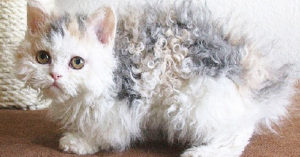
# Poodle Cats: Understanding the Curly-Coated Feline Breeds
The term "poodle cat" does not describe a hybrid between a dog and cat. Instead, it refers to any cat with a distinctly curly or wavy coat, a trait found in several recognized domestic cat breeds. These felines offer a unique aesthetic appeal and come with specific care requirements that cat owners should understand before bringing one home.
Four primary cat breeds earn the "poodle cat" nickname due to their textured coats. The Selkirk Rex, LaPerm, Devon Rex, and Cornish Rex all display the characteristic curly or wavy fur that resembles a poodle's coat. Each breed has distinct origins, temperament traits, and grooming needs.
The Selkirk Rex originated in Montana during the 1980s when a domestic cat with a naturally curly coat was discovered. This breed develops a thick, plush curled coat that requires regular brushing to prevent matting and maintain its soft texture. Selkirk Rex cats tend to be affectionate, patient, and adaptable to family life.
The LaPerm breed traces back to Oregon in the 1980s as well. These cats feature a distinctive soft, curly coat that can range from short to long. LaPerms are highly social, curious, and vocal cats that bond closely with their human families. Their coats need regular maintenance but shed minimally compared to many other breeds.
The Devon Rex, originating in England during the 1960s, displays a unique soft, wavy coat covering a slender frame. These cats possess large ears and an impish personality. Devon Rex cats are extremely people-oriented and thrive on interactive play and attention. Their fine coat requires gentle handling and regular brushing.
The Cornish Rex also emerged in England around the same era. This breed features a fine, soft, curly coat and an athletic build. Cornish Rex cats are highly intelligent, playful, and energetic. They perform well in active households where they receive consistent engagement and mental stimulation.
Regarding shedding, poodle cats generally shed less than conventional cat breeds, though none are truly hypoallergenic. Individuals with cat allergies sometimes tolerate these breeds better because they produce less dander. However, allergies stem from multiple cat proteins, not just shedding patterns, so no curly-coated cat guarantees allergy-free companionship.
Grooming represents the primary care consideration for all poodle cat breeds. Their curly coats trap dirt, oils, and debris more readily than straight-haired coats. Regular brushing sessions, typically twice weekly, prevent matting and maintain coat health. Some owners opt for professional grooming every 8 to 12 weeks to keep their cats comfortable.
These breeds also require regular ear cleaning since their ear structure differs from standard cats. Devon Rex and Cornish Rex cats particularly benefit from weekly ear inspections and gentle cleaning with veterinarian-approved solutions.
Poodle cats thrive in homes where owners commit to regular grooming and engagement. Potential adopters should research individual breed temperaments to find the best match for their lifestyle. Reputable breeders who screen for genetic health issues provide the most reliable sources for these distinctive felines. Adoption through breed-specific rescues also offers opportunities to welcome a curly-coated companion into your family.