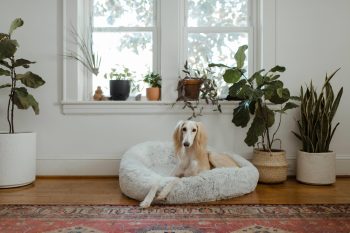
# The Right Fluffy Dog Bed Makes Sleep Restorative for Your Companion
Dogs spend up to 14 hours sleeping each day, and the quality of that rest directly affects their health, mood, and longevity. A fluffy dog bed provides the cushioning and comfort dogs need to recover from daily activity, regulate body temperature, and reduce joint pressure. Senior dogs and those with arthritis particularly benefit from plush bedding that supports their aging bodies.
Fluffy beds serve multiple purposes beyond comfort. They create a defined den space where dogs feel secure and less anxious. They also help contain shedding and protect furniture from wear. For dogs with sensitive skin or those prone to pressure sores, a soft surface matters more than most owners realize.
When selecting a fluffy dog bed, consider your dog's size, sleeping position, and any health conditions. Large breed dogs benefit from memory foam bases under the plush top layer, which distributes weight evenly and reduces strain on hips and elbows. Small dogs often prefer donut-shaped beds with raised edges that let them curl up and feel enclosed. Medium-sized dogs typically do well with rectangular options that give them room to stretch.
Material quality determines durability and washability. Polyester microsuede resists staining and cleans easily, while cotton blends breathe better for warm climates. Look for covers with removable, machine-washable liners. This feature extends bed life and keeps the sleeping surface hygienic, especially for dogs prone to accidents or skin infections.
Fill material also matters. Shredded memory foam contours to your dog's body and provides therapeutic support. Polyester fiberfill offers budget-friendly fluffiness but compresses over time. Down or down-alternative fills feel luxurious but require more frequent fluffing. For puppies and young adult dogs, any quality fluffy option works well. For senior dogs or those recovering from surgery, invest in orthopedic designs with memory foam cores.
Size accuracy prevents frustration. Measure your dog in their natural sleeping position. A bed should be long enough for them to stretch out completely and wide enough to roll over without falling off. Undersizing forces uncomfortable curling; oversizing wastes money and doesn't provide the security dogs crave.
Placement affects how much your dog uses the bed. Position it in a quiet corner away from high-traffic areas and direct sunlight. Dogs want observation points where they can see family activity, so near a room's periphery often works better than completely isolated spots. Keep the bed away from heating vents and radiators, which dry out skin and create uncomfortably warm microclimates.
Maintenance extends bed life significantly. Vacuum weekly to remove surface fur and dust. Wash covers monthly in cool water with mild detergent. Air-dry rather than machine-dry to preserve elastic fibers and fill material. For odor control, sprinkle baking soda over the bed 15 minutes before vacuuming.
Investing in a quality fluffy dog bed shows your dog you prioritize their wellbeing. The right bed supports their joints, improves sleep quality, and gives them a personal retreat within your home. Your dog spends more time on their bed than anywhere else except perhaps your couch, so making that space comfortable, clean, and supportive pays dividends in their health and happiness for years to come.