# Managing Litter Box Odor: A Guide to Top-Performing Cat Litter Options
Litter box odor ranks among the top complaints from cat owners. The smell comes from ammonia produced when bacteria break down urine, and it builds quickly in enclosed spaces. Choosing the right litter makes a real difference in your home's air quality and your cat's willingness to use the box consistently.
Several litter types now dominate the odor-control market, each with distinct advantages and trade-offs. Clay-based clumping litters remain popular because they absorb moisture and contain ammonia smell efficiently. Crystalline silica gel litters work differently by absorbing moisture and trapping odors in their porous structure, often lasting longer between scoops than clay options. Plant-based litters made from pine, wheat, corn, or paper appeal to environmentally conscious owners and create less dust than traditional clay formulas.
Scent-enhanced litters add fragrance to mask odors, though some cats reject heavily perfumed options. Unscented varieties work better for sensitive felines. Activated charcoal-infused litters combine odor absorption with clumping action, targeting ammonia at the molecular level.
Litter depth matters more than many owners realize. Most cats prefer 2 to 3 inches of litter. Deeper beds trap moisture better and allow waste to settle away from your cat's paws. Shallow litters require more frequent scooping to maintain odor control.
Scooping frequency directly impacts smell management. Daily removal of clumps prevents ammonia buildup. Owners with multiple cats should scoop twice daily. Once-weekly complete litter changes keep the box fresh longer. Some high-performance litters can stretch changes to every two weeks if scooped daily.
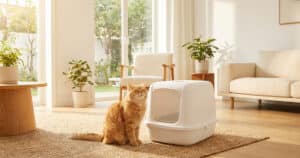
Litter box design influences odor containment. Top-entry boxes limit air circulation and odor dispersal. Covered boxes with carbon filters trap airborne particles. Open boxes offer better ventilation but allow odor to spread. Box size matters too. Cats need space to dig and bury waste comfortably. The ideal box measures 1.5 times your cat's body length.
Ventilation in the room where you keep the litter box reduces ambient odor regardless of litter type. Air purifiers with HEPA filters capture litter dust and odor particles. Keeping boxes away from living spaces helps contain smells naturally.
Some litters track less than others. Tracking refers to litter particles that stick to cat paws and spread throughout your home. Larger, heavier pellets track less than fine, lightweight grains. Plant-based litters typically produce less dust and track less than clay formulas.
Cost-per-use calculations help identify the best value. Expensive premium litters that last longer between changes often cost less monthly than cheaper options requiring frequent replacement. Calculate how long each litter lasts with your cat's usage patterns.
Cats develop strong litter preferences early. Switching brands abruptly can cause litter box avoidance and accidents outside the box. Introduce new litters gradually by mixing them with existing product over 7 to 10 days. Some cats never accept changes and perform best with consistent formulas.
Health considerations matter when selecting litter. Dust-free options suit cats with respiratory issues. Clay litters containing crystalline silica dust can irritate airways in sensitive animals. Unscented formulas work better for cats prone to litter-related stress.
Testing different options with your specific cat and home environment remains the only way to find the optimal odor-control solution.