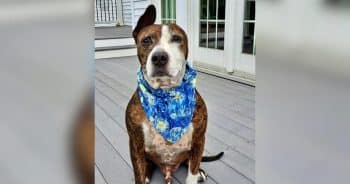
# One-Eared Rescue Dog Van Gogh Captures Hearts Through Art
A rescue dog named Van Gogh has become an internet sensation by creating paintings that have won over thousands of animal lovers worldwide. The one-eared canine uses his paws to make art, turning his unique story into an inspiring narrative about rescue dogs and their untapped abilities.
Van Gogh's name references the famous Dutch painter who lost his ear, creating a poignant parallel to the dog's own missing ear. This detail makes his artistic journey particularly meaningful to people who follow his work online. The dog's paintings are genuine creations where he actively participates in the artistic process using his paws, not simply props in human-made art.
Rescue dogs often carry physical differences that result from neglect, injury, or abuse before finding safe homes. Van Gogh's missing ear likely stems from his pre-rescue past, yet his story demonstrates that physical differences do not limit a dog's ability to thrive, create, and inspire. Many rescue organizations highlight Van Gogh's journey to show potential adopters that disabled or injured dogs possess remarkable resilience and personality.
The paintings Van Gogh creates serve multiple purposes beyond entertainment. Each piece generated through his artistic efforts raises awareness about rescue dog adoption and the capabilities of animals in shelters. Social media platforms have amplified his reach, with thousands of followers engaging with his artwork regularly. This visibility translates into real-world impact for animal rescue efforts.
Art therapy involving animals represents a growing field in animal welfare. While Van Gogh's paintings are primarily his own creations, the process of making art with human guidance provides mental stimulation and enrichment for dogs. This type of activity can benefit rescue animals during their transition from shelter to home by building confidence and creating positive associations with human interaction.
The story of Van Gogh reflects broader trends in rescue dog advocacy. Organizations increasingly showcase the individual personalities and talents of adoptable dogs rather than focusing solely on breed or age. By highlighting what makes each dog special, rescues connect potential adopters with animals that match their lifestyles and values. Van Gogh's artistic ability makes him memorable and relatable to art lovers who might not otherwise consider dog adoption.
Pet owners interested in enrichment activities for their own dogs can draw inspiration from Van Gogh's example. Animal behaviorists recommend providing dogs with novel experiences and creative outlets that encourage problem-solving and physical engagement. While not every dog will become a painter, similar activities tailored to individual dogs' interests and abilities can improve behavioral health and strengthen human-animal bonds.
Van Gogh's paintings have sold or been shared widely online, with proceeds often benefiting rescue organizations and animal shelters. This direct link between art creation and charitable giving demonstrates how rescue animals can contribute to their own communities and support fellow dogs in need. The dog's work reminds people that rescue animals often possess surprising talents waiting to emerge.
The continued popularity of Van Gogh's art proves that people respond to authentic animal stories. His one ear, his rescue background, and his creative output combine into a narrative that resonates across social media. As more people learn about him, adoption rates for rescue dogs with physical differences may increase, ultimately saving more lives in shelters nationwide.