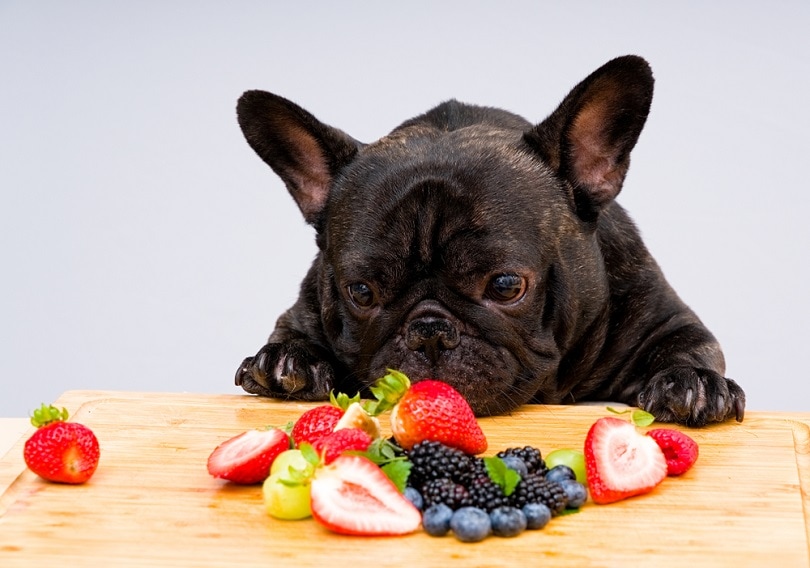
# Fetch a Different Fruit: When Fresh Produce Is Dangerous For Dogs
Many dog owners share their fruits and vegetables with their pets, assuming what nourishes humans will nourish dogs too. This assumption puts dogs at real risk. While some produce is safe, many common fruits and vegetables toxic to dogs sit in kitchen bowls across America.
Dogs have different digestive systems and metabolisms than humans. Their bodies process foods differently, and substances harmless to us can trigger severe reactions in canines. Understanding which produce to avoid protects your dog from poisoning, organ damage, and emergency veterinary care.
Grapes and raisins top the list of dangerous produce. These fruits cause acute kidney failure in dogs, even in small quantities. A handful of grapes can sicken a large dog. Symptoms include vomiting, diarrhea, lethargy, and decreased appetite. Veterinarians still don't fully understand the toxic mechanism, but the danger is well documented.
Avocados contain persin, a compound that damages dog hearts and causes fluid accumulation in the chest. Macadamia nuts appear on similar lists, causing weakness, tremors, and hyperthermia in dogs. Both produce neurological symptoms that alarm pet owners.
Onions and garlic, whether raw, cooked, or powdered, destroy red blood cells in dogs. They contain thiosulfates that trigger hemolytic anemia. Symptoms develop over days as the damage accumulates. A dog eating garlic-seasoned food repeatedly faces greater risk than one exposed to a single meal.
Xylitol, an artificial sweetener in many sugar-free products and some peanut butters, causes rapid insulin release in dogs. This triggers dangerous drops in blood sugar within 30 minutes. Severe hypoglycemia leads to seizures, liver failure, and death. Always check peanut butter labels before offering it to your dog.
Chocolate deserves mention here too. Dark chocolate and baking chocolate contain theobromine, which dogs metabolize slowly. Toxicity depends on chocolate type and dog size, but small dogs face danger from modest amounts.
Safe produce for dogs includes carrots, which also clean teeth. Apples without seeds work fine. Bananas, blueberries, and watermelon (seedless) are nutritious treats. Pumpkin aids digestion. Plain green beans provide low-calorie snacks for overweight dogs.
When introducing any new food, offer tiny amounts first. Watch for vomiting, diarrhea, or behavioral changes over 24 hours. Some dogs have individual sensitivities beyond common toxicities.
If your dog consumes toxic produce, contact your veterinarian or the ASPCA Animal Poison Control Center immediately. Call 888-426-4435. Have details ready: what your dog ate, how much, and when. Prompt treatment often prevents serious outcomes.
Your dog doesn't need fruit and vegetables to thrive. High-quality commercial dog foods provide complete nutrition. Treats should comprise no more than 10 percent of daily calories. When you do share produce, stick to the safe list and offer sparingly.