# When a Cat Becomes a Water Fountain: Why Cats Vomit After Drinking
Cat owners often witness an unpleasant scene: their cat drinks water eagerly, then regurgitates it moments later. This behavior frustrates pet parents and raises legitimate health concerns. Understanding why cats vomit after drinking helps owners identify whether the issue stems from a behavioral quirk or a medical problem.
Cats vomit after drinking water for several distinct reasons. The most common culprit is drinking too quickly. Cats evolved to consume water rapidly in the wild, where standing water posed contamination risks. When domestic cats drink from bowls or fountains, they often replicate this survival instinct by gulping large quantities at once. Their stomachs fill faster than their digestive systems can handle, triggering immediate regurgitation.
Temperature sensitivity plays another role. Some cats prefer warm water over room-temperature or cold liquid. When cats encounter water that feels uncomfortable, they may drink excessively in quick succession, overwhelming their stomach capacity. Offering warm water can reduce this tendency in temperature-sensitive cats.
The type of water container matters more than many owners realize. Cats drinking from narrow bowls or certain fountain spouts may ingest air bubbles along with water. These bubbles create gastric distension, the sensation of a overly full stomach, prompting vomiting. Switching to wider bowls or adjusting fountain flow rates can help.
Medical conditions also trigger post-drinking vomiting. Gastroesophageal reflux disease (GERD) causes stomach acid to irritate the esophagus when water hits an inflamed digestive tract. Inflammatory bowel disease (IBD) and pancreatitis make cats sensitive to any sudden fluid intake. Kidney disease and diabetes increase overall vomiting frequency. Hairballs can also be dislodged by drinking, causing cats to expel water and fur together.
Hydration remains essential for cat health, particularly for cats prone to urinary issues and kidney problems. Vomiting after drinking should not discourage water intake entirely. Instead, owners should modify drinking conditions.
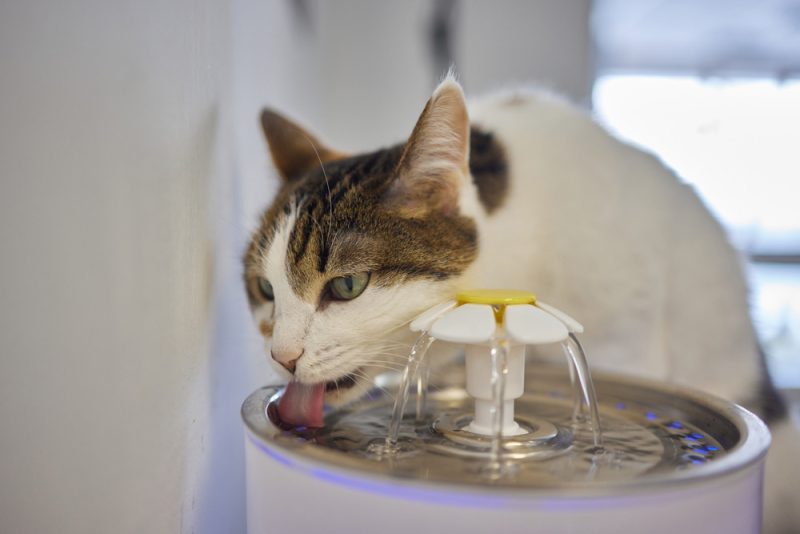
Practical solutions start with offering multiple water sources throughout the home. Cats often prefer running water, making cat water fountains like the Catit Flower Fountain or PetSafe Drinkwell effective options for some cats. However, if your cat vomits from fountain-fed water, switch to still sources.
Serving water in wider, shallow dishes reduces the drinking speed and air ingestion. Some cats prefer ceramic or glass bowls over plastic, which can retain odors that deter drinking.
Breaking water intake into smaller portions throughout the day helps. Instead of allowing unlimited bowl access, some owners offer water in measured amounts several times daily. This approach prevents overfilling the stomach while maintaining hydration.
If vomiting persists despite environmental changes, veterinary evaluation is necessary. Your veterinarian can rule out GERD, IBD, pancreatitis, kidney disease, and other underlying conditions. Bloodwork and urinalysis often reveal metabolic issues affecting digestive health.
Cats should never vomit water regularly. While some cats are simply enthusiastic drinkers prone to quick gulping, chronic post-drinking vomiting indicates a problem requiring professional attention. Working with your veterinarian to identify the cause ensures your cat stays hydrated and healthy.