# Husky Thrives After Amputation Following Gunshot Injury
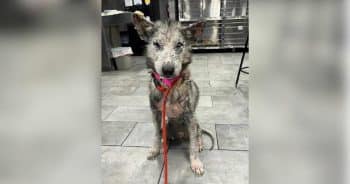
A husky has captured attention across social media after recovering from a devastating gunshot wound that cost her one of her four legs. The dog's resilience demonstrates what veterinary professionals have long understood: dogs adapt remarkably well to limb loss, and physical disability rarely diminishes their quality of life or spirit.
The husky underwent amputation surgery following the traumatic injury. While the specific circumstances surrounding the shooting remain unclear from available reports, the dog's recovery trajectory offers a powerful lesson about canine resilience and modern veterinary care.
Tripod dogs, as three-legged dogs are affectionately called, function better than many people initially assume. Dogs distribute their weight differently than humans do, relying more heavily on their front limbs for balance and propulsion. When a dog loses a rear leg, most regain full mobility within weeks of proper rehabilitation. Front-leg amputees require slightly longer adjustment periods but typically achieve comparable outcomes. Most tripod dogs run, play, and navigate stairs without assistance.
The husky's story underscores an important reality for pet owners facing similar situations. Veterinary professionals routinely recommend amputation when a limb becomes gangrenous, severely infected, or beyond repair. The procedure itself carries low risk in healthy dogs, and pain relief often improves dramatically once the damaged limb disappears.
Common reasons for dog amputation include bone cancer, severe fractures, diabetes-related complications, and traumatic injuries like this husky's gunshot wound. Infection from untreated wounds can become life-threatening, making surgical removal necessary to preserve the dog's overall health and survival.
Recovery involves pain management, restricted activity during the initial healing phase, and gradual return to normal movement. Most dogs begin bearing weight on their remaining legs within days. Physical therapy and controlled exercise accelerate adaptation. Veterinarians recommend keeping tripod dogs at healthy weights to reduce stress on remaining joints, particularly as they age.
Dogs demonstrate psychological resilience that often exceeds owner expectations. They lack the self-consciousness that humans experience with physical differences. A three-legged dog does not grieve the loss of its limb the way a person might. Instead, dogs focus on what they can still do: play fetch, chase squirrels, swim, and cuddle with their families.
The husky's visible joy and continued activity level likely inspire her owner and others facing difficult decisions about injured or ill dogs. This visibility matters for prospective adopters considering tripod dogs from rescues. Shelters report that healthy three-legged dogs find homes quickly when potential families see them running and playing. Social media amplifies these positive examples, helping shift perceptions about disability in animals.
Proper veterinary care during and after amputation remains essential. Pain management medications, infection prevention, and monitoring for complications ensure optimal recovery. Most dogs experience minimal long-term complications and live full lifespans comparable to four-legged peers.
This husky's story serves as a reminder that physical limitations do not define a dog's capacity for joy, connection, or activity. Her survival and apparent happiness following such trauma demonstrate both modern veterinary medicine's capabilities and the remarkable adaptive abilities of dogs themselves.