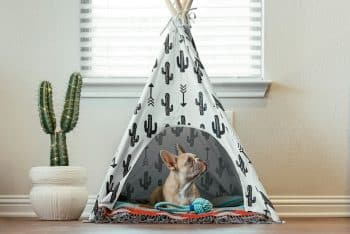
# Best Dog Tent Beds Give Dogs a Cozy Cave to Call Their Own
Dogs naturally seek enclosed spaces where they feel safe and secure. Tent beds tap into this instinct by providing a den-like retreat that helps anxious dogs relax while giving all dogs a designated sleeping spot they love.
Tent beds differ from standard dog beds by featuring fabric walls and a roof structure. This enclosure creates a psychological sanctuary. Dogs prone to anxiety, noise sensitivity, or general stress often gravitate toward these covered spaces. The enclosed design also helps retain warmth, making tent beds especially useful during colder months or for senior dogs with joint pain who benefit from extra insulation.
Beyond comfort, tent beds offer practical benefits for multi-pet households. They give dogs a clear personal space that other pets and family members learn to respect. This boundary reduces conflict and gives dogs control over their environment. For puppies in training, a tent bed becomes a crate alternative that encourages natural denning behavior while remaining open and welcoming.
When shopping for dog tent beds, size matters most. A proper tent bed should allow your dog to stretch out fully lengthwise and stand without touching the roof. Measure your dog from nose to tail when stretched, then add several inches for comfort. Small dogs fit well in beds around 24 inches long, while large breeds need 36 to 48 inches.
Material quality affects durability and ease of cleaning. Look for washable, removable covers that handle regular vacuuming. Canvas and polyester blends resist wear better than thin fabrics. The base should support weight without sagging. Memory foam or orthopedic inserts benefit older dogs or those with arthritis, as they cushion joints and improve circulation.
Tent bed styles vary widely. Some feature teepee designs with a single peak. Others use curved tunnel structures. Pop-up models collapse flat for travel or storage. Elevated tent beds raise your dog off cold floors, improving air circulation underneath. These work well in hot climates or for dogs who overheat easily.
Installation ranges from simple to complex. Pop-up tents require no assembly and unfold in seconds. Traditional frame-based models may need tool assembly but offer sturdier construction. Consider your patience level and physical ability when choosing.
Price points span from budget-friendly options under $50 to premium beds exceeding $300. Mid-range tent beds between $80 and $150 typically offer the best balance of quality, durability, and value. Premium models often include orthopedic foam, luxury fabrics, or specialized cooling materials.
For dogs who resist enclosed spaces, introduce the tent bed gradually. Leave the entrance open, place treats and toys inside, and let your dog explore at their own pace. Never force entry. Some dogs need weeks to feel comfortable, while others immediately claim the space as their own.
Tent beds work exceptionally well for rescue dogs adjusting to new homes. The enclosed space helps them decompress as they acclimate. Similarly, dogs recovering from surgery benefit from the quiet, supported rest these beds provide.
Regular maintenance extends tent bed life. Vacuum weekly to remove hair and dirt. Wash covers monthly in cool water. Check frame integrity monthly for bent poles or separated seams. Replace cushioning if it becomes flattened or uncomfortable.