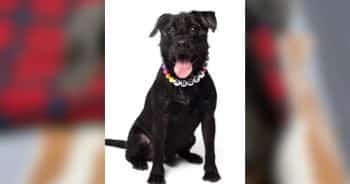
# Dog Waits More Than 1,900 Days for a Home, Then a Photographer Steps In
A dog spent more than five years in shelter care before finding a permanent home through the efforts of a compassionate photographer. The dog's extended stay in the shelter system highlights both the challenges facing long-term shelter residents and the power of dedicated advocacy to create change.
The dog remained in shelter care for 1,900 days, a timespan that exceeds most typical shelter stays by years. Long-term shelter dogs often face adoption challenges due to age, behavior concerns, medical needs, or simple bad luck in the competitive adoption market. Shelters across the country report that dogs waiting this long frequently develop behavioral issues from prolonged confinement, making their path to adoption even more difficult.
The turning point came when a photographer became involved. Professional photography has become a proven tool in animal rescue, as high-quality images dramatically increase adoption rates. Studies from animal welfare organizations show that dogs photographed in professional settings receive significantly more adoption inquiries than those featured in standard shelter photos. The photographer's intervention provided visibility that had eluded this dog for nearly six years.
This case underscores a broader problem in American shelters. Thousands of dogs spend months or years waiting for homes, particularly older dogs, dogs with behavioral histories, or those with medical conditions. Shelters struggle with overcrowding and limited resources, forcing staff to prioritize newly arrived animals while long-term residents languish in kennels. Dogs in this situation experience chronic stress from shelter life, including constant noise, lack of routine, and minimal human interaction.
Professional advocates play a vital role in changing these outcomes. Photographers, social media specialists, and rescue volunteers work to create compelling stories and images that capture the public's attention. These efforts cost little but yield tremendous results. When a dog's story reaches potential adopters through quality photographs and narrative, adoption becomes possible.
The dog's eventual adoption represents success, but it also raises questions about systemic barriers in animal rescue. Not every long-term shelter dog has access to a photographer or media specialist. Many facilities, particularly in rural areas, lack resources for professional documentation. This means countless dogs never receive the visibility boost they need to find homes.
Shelters and rescue organizations increasingly recognize this gap. Some now train volunteers in basic pet photography or partner with local photographers who donate their time. Social media campaigns have also expanded reach, allowing shelter dogs to connect with potential adopters far beyond their geographic area.
For potential adopters, this story serves as a reminder that shelter dogs waiting longest often make exceptional companions. Older dogs, in particular, provide stability and gratitude that younger animals may not. Dogs who have survived years in shelter care demonstrate remarkable resilience.
The photographer's intervention changed this dog's entire life trajectory, transforming a kennel existence into a home. While one happy ending cannot solve systemic shelter overcrowding, it demonstrates what becomes possible when advocacy, resources, and compassion align. As adoption rates for long-term shelter residents remain concerningly low, expanding access to professional photography and storytelling could save countless dogs from indefinite shelter stays.