# Dog Warts: What Pet Owners Need to Know About Causes, Prevention, and Treatment
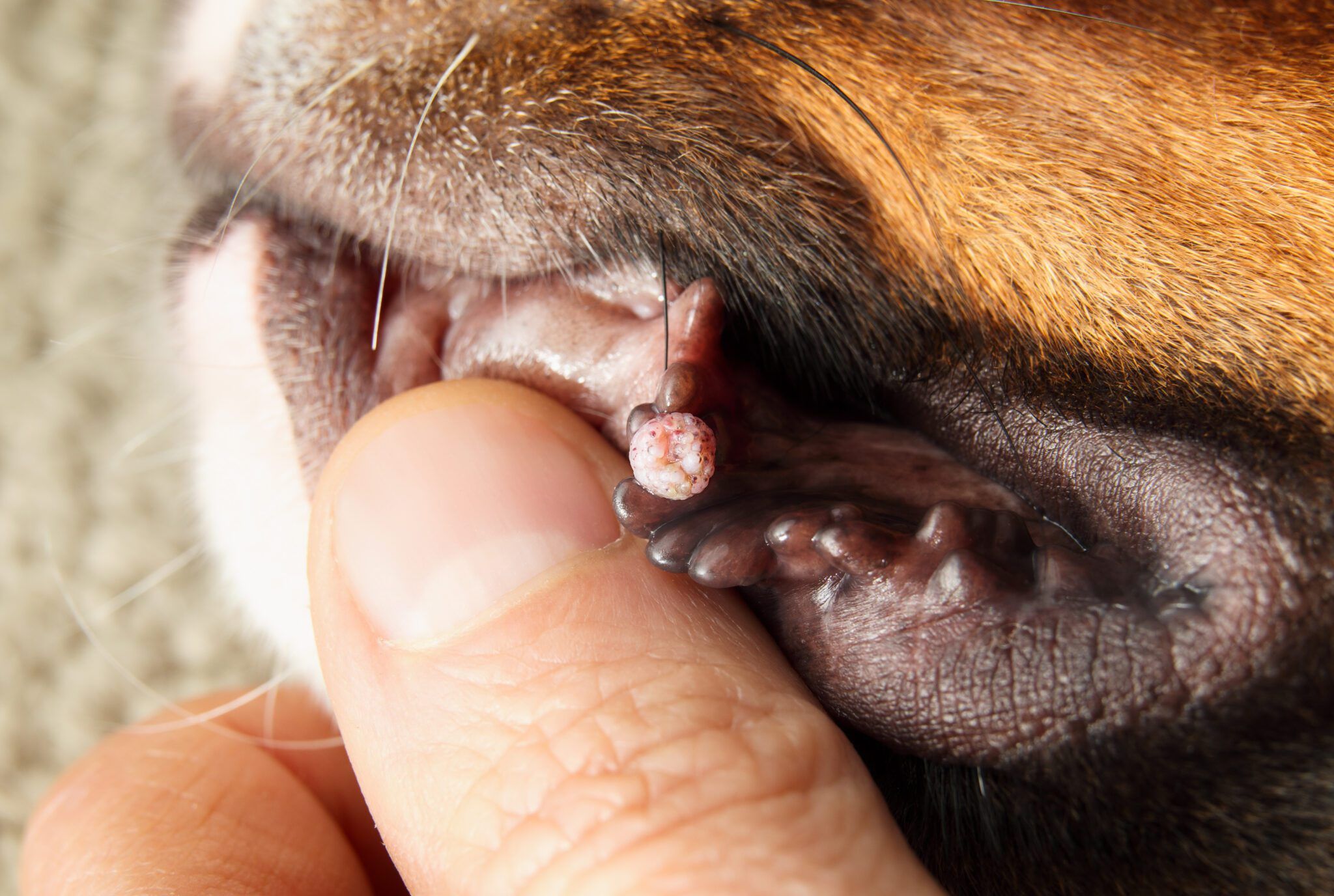
Dog warts appear suddenly on your pet's skin, often catching owners off guard. These small growths emerge as pink, white, beige, blue, or black protrusions that resemble tiny cauliflower stalks. Dogs most commonly develop warts on their lips, gums, tongue, and paw pads, though they can form anywhere on the body.
Understanding what causes dog warts helps pet owners recognize when their dog needs veterinary attention. Warts in dogs stem from the canine papillomavirus, a species-specific virus that does not spread to humans or other animal species. This virus triggers benign skin growths that develop gradually over weeks or months. The virus spreads through direct contact between infected and uninfected dogs, making multi-dog households or frequent dog park visits potential risk factors.
Certain dogs face higher wart risk than others. Puppies and senior dogs experience wart outbreaks more frequently because their immune systems operate less effectively than those of healthy adult dogs. Dogs with compromised immune systems, whether from illness, medication, or underlying health conditions, show increased susceptibility to papillomavirus infection. Breed predisposition also plays a role, though warts affect dogs of all breeds and mixed breeds equally.
Pet owners often worry whether dog warts require removal. Most warts pose no threat to your dog's health and disappear on their own within months as the dog's immune system eliminates the virus. However, some warts demand veterinary intervention. Warts that bleed, become infected, or interfere with eating and drinking require professional assessment. Warts located in the mouth can occasionally cause discomfort during meals or dental problems if left untreated. Additionally, if a growth changes color rapidly, grows unusually large, or multiplies across the body, your veterinarian should evaluate it to rule out other conditions.
Veterinarians employ several removal methods depending on wart severity and location. Cryotherapy freezes warts using liquid nitrogen, causing them to fall off naturally. Electrocautery uses heat to burn away warts, often completed in a single office visit. Surgical removal becomes necessary for particularly stubborn or large warts. Laser therapy provides another option, though cost considerations limit its use in general practice. Some veterinarians recommend monitoring without intervention, allowing the immune system to clear warts naturally.
Prevention strategies focus on minimizing viral exposure. Limit your dog's contact with infected dogs whenever possible. Practice good hygiene by washing hands after petting unfamiliar dogs and keeping your dog's living space clean. However, complete prevention remains difficult since many infected dogs show no visible symptoms while still shedding the virus.
Recovery from wart removal depends on the method used. Cryotherapy and electrocautery typically heal within one to two weeks, with minimal aftercare required. Surgical removal may require stitches and activity restrictions during healing. Your veterinarian provides specific post-treatment instructions based on your dog's individual procedure.
Pet owners should schedule a veterinary appointment if they notice any unusual skin growths on their dog. While most warts resolve independently, professional evaluation ensures proper diagnosis and appropriate treatment when removal becomes necessary.