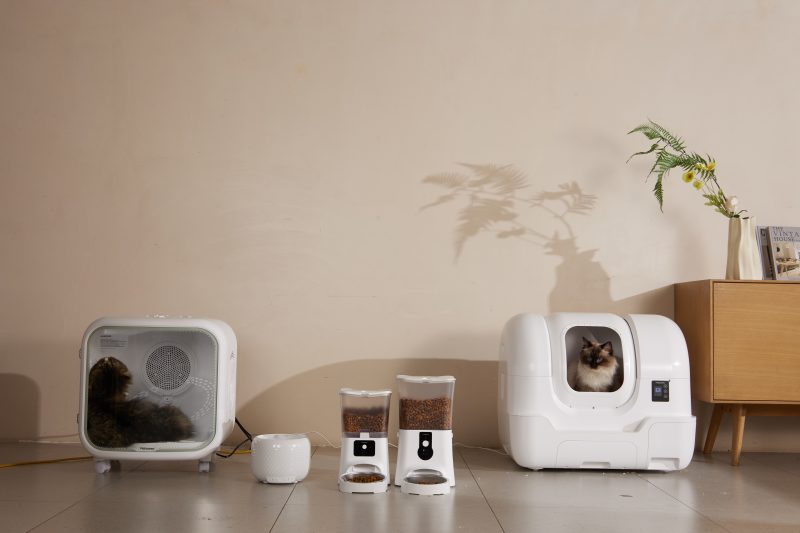
# Smart Litter Technology Helps Cat Owners Detect Health Problems Early
Smart litter boxes represent one of the fastest-growing product categories in pet health, offering cat owners a practical way to monitor their animals' wellness through daily bathroom habits. These connected devices track urination and defecation patterns, weight changes, and time spent in the litter box, generating data that can reveal serious health conditions before visible symptoms appear.
Cats naturally hide signs of illness. They evolved as solitary hunters and instinctively mask weakness from predators and rivals. This survival mechanism makes disease detection challenging for owners who rely on observation alone. A cat might develop a urinary tract infection, diabetes, or kidney disease without showing obvious behavioral changes until the condition reaches an advanced stage.
Smart litter boxes bridge this detection gap by recording objective data. Increased urination can signal diabetes, hyperthyroidism, or chronic kidney disease in cats. Decreased urination might indicate blockages or dehydration. Changes in litter box visits and time spent there alert owners to pain, infections, or other systemic problems. Weight fluctuations tracked by these systems flag metabolic shifts that warrant veterinary evaluation.
Popular options include the Litter Robot, which combines automated waste removal with health-tracking capabilities through its mobile app. The Enabot Enabot Litter Bot uses sensors to monitor usage patterns and sends alerts when anomalies occur. Whisker's Litter Box and the PetDroid Litter Box offer similar monitoring features with app-based dashboards. Most models integrate with smartphone notifications, allowing owners to review their cat's litter box activity in real time, whether at home or away.
Veterinarians increasingly recommend these devices for cats with existing health conditions or as preventive tools for aging animals. Early detection of conditions like chronic kidney disease, diabetes mellitus, and urinary issues allows interventions before complications develop. Treatment started at early stages typically produces better outcomes and costs less than managing advanced disease.
For multi-cat households, smart litter boxes solve another problem. Owners can identify which cat is experiencing bathroom changes, eliminating guesswork. This specificity proves invaluable when determining which animal needs veterinary attention.
The technology isn't a replacement for veterinary care. Smart litter data should prompt conversations with veterinarians, not substitute professional diagnosis. Cats still need regular wellness exams. However, these devices provide owners with detailed health information to discuss with their veterinary team and create opportunities for earlier interventions.
Cost remains a consideration. Premium smart litter boxes range from $300 to $600, plus ongoing subscription fees for some apps. Budget-conscious owners might find this investment steep, though many view it as preventive spending that reduces emergency veterinary bills.
Smart litter solutions empower cat owners with actionable health insights. By transforming daily litter box use into meaningful data, these devices help catch problems early, support better veterinary conversations, and ultimately extend quality time with beloved feline companions.