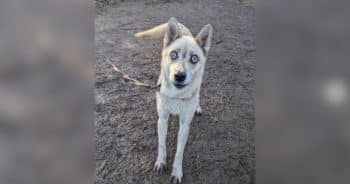
# Couple Welcomes Blind Husky Into Their Home After Swearing Off Dogs
A couple who committed to never adopting another dog found their resolve tested and ultimately transformed by a blind husky who needed a home. The pair's experience challenges common assumptions about adopting dogs with special needs and shows how animals with disabilities can thrive with the right family.
The couple had made a deliberate decision to remain dog-free after their previous pet passed away. Life circumstances, schedules, and the emotional toll of loss prompted them to close that chapter. They didn't expect their plans to change. Then they encountered a husky with complete blindness facing an uncertain future in rescue, and everything shifted.
Huskies present unique ownership challenges even when sighted. These energetic working dogs need significant exercise, mental stimulation, and space to burn off their natural drive. Adopting one with vision loss multiplies those demands. A blind dog requires owners willing to learn specialized care techniques, modify their home environment, and commit to patience during the adjustment period.
What surprised this couple was how quickly the husky adapted to life without sight. Dogs rely primarily on scent, hearing, and spatial memory rather than vision. Blind huskies can navigate familiar spaces with remarkable confidence once they learn the layout. This particular dog showed enthusiasm, affection, and eagerness to bond despite the disability that might make many potential adopters hesitate.
The couple invested time in understanding their new dog's needs. They kept furniture in consistent locations, used auditory cues, and created a safe space where the husky could move freely. They learned that blindness does not equal unhappiness or reduced quality of life. Instead, the dog's resilience and joy proved infectious.
Their experience reflects broader truths about disabled dogs in adoption. Rescue organizations increasingly report that special-needs animals find lasting homes when matched with informed, committed families. The barrier often lies not in the dog's capability but in adoption anxiety. Prospective owners sometimes overestimate the difficulty of caring for a blind or deaf dog and underestimate the animal's actual capacity for happiness and normal behavior.
Huskies specifically can excel in homes where they receive appropriate outlets. This blind husky's success depended on owners who understood the breed and who brought patience to the adaptation process. Other husky rescues have documented similar outcomes with vision-impaired dogs placed with experienced, dedicated families.
The couple's changed perspective matters for other dogs waiting in rescues. When people publicly share positive experiences with special-needs adoptions, they help normalize these choices and reduce the stigma that keeps deserving animals waiting longer than necessary. Their husky found purpose and comfort in a home that almost never opened its doors again.
For pet owners considering adoption, this story demonstrates that disability does not disqualify a dog from a full, happy life. Dogs with blindness, deafness, or mobility issues often display remarkable adaptability. The real measure of success comes from owners willing to learn, adjust, and commit to their unique needs.