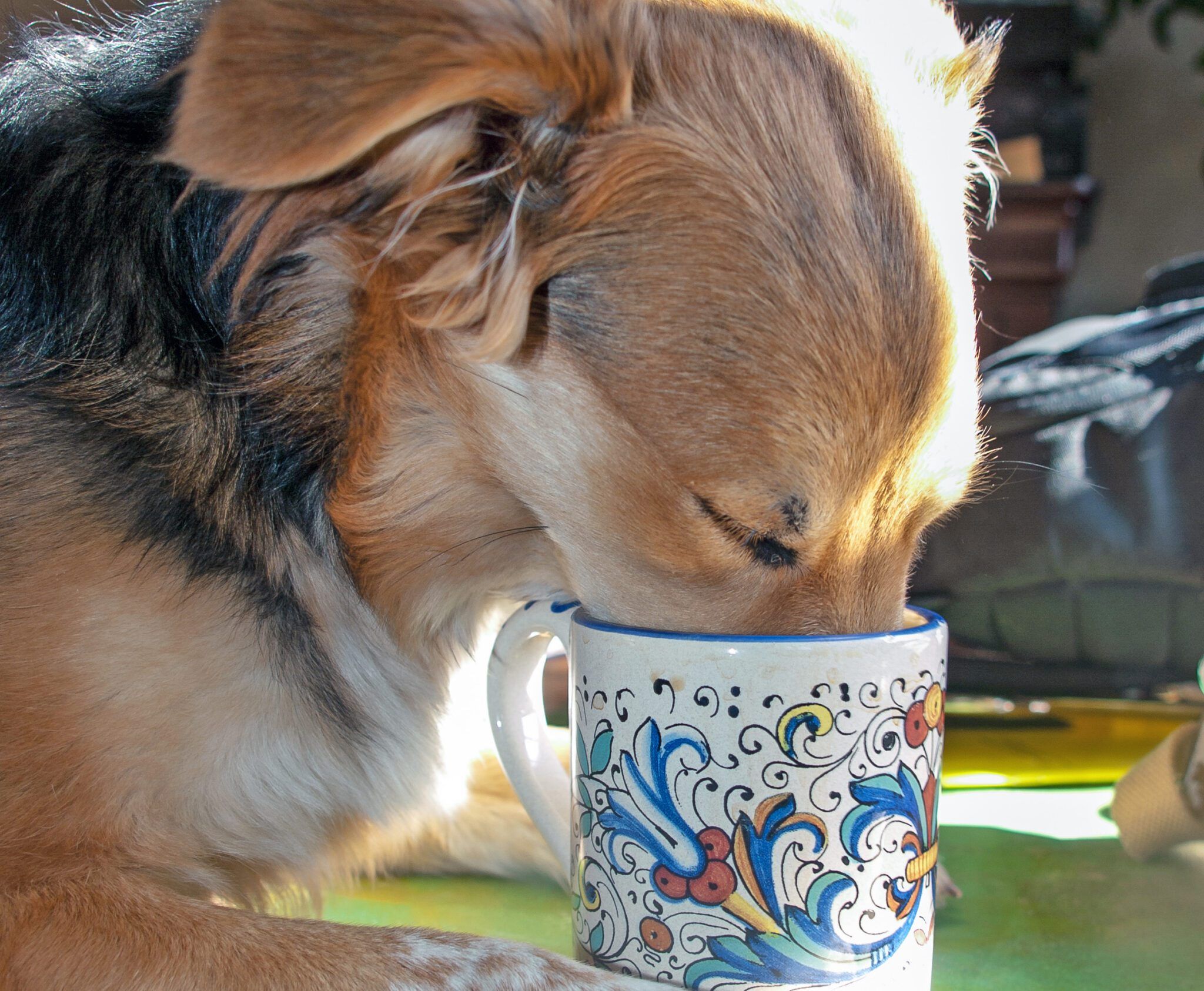
# Dog Drank Coffee? Here's What Pet Owners Need to Know
Caffeine poisoning in dogs represents a real health risk that every coffee-loving pet owner should understand. If your dog has consumed coffee, the severity of the situation depends on how much caffeine entered your dog's system and your dog's size.
Caffeine belongs to a group of compounds called methylxanthines. Dogs metabolize caffeine differently than humans do, and their bodies cannot process it efficiently. This makes even small amounts potentially dangerous. A single cup of coffee contains between 95 to 200 milligrams of caffeine, depending on the brewing method and coffee type. For a small dog weighing 10 pounds, even modest caffeine consumption can trigger concerning symptoms.
Pet owners should watch for these warning signs after a dog ingests coffee. Early symptoms include restlessness, hyperactivity, rapid heart rate (tachycardia), trembling, and excessive panting. More severe reactions involve vomiting, diarrhea, muscle tremors, seizures, and in extreme cases, cardiac arrhythmias. Symptoms typically appear within 1 to 2 hours of consumption.
What you should do immediately matters. First, determine how much coffee your dog drank and when. Call your veterinarian or contact the ASPCA Animal Poison Control Center at (888) 426-4435 right away. The poison control center staff can assess your dog's risk based on weight, the amount of caffeine consumed, and your dog's age and health status. Never wait to see if symptoms develop. Prompt professional guidance prevents complications.
Your veterinarian may recommend inducing vomiting if the ingestion occurred within the last 2 hours and your dog shows no signs of distress. Activated charcoal might be administered to bind remaining caffeine in the stomach. For symptomatic dogs, treatment focuses on managing symptoms. Your vet may provide IV fluids to support kidney function, medications to control heart rate irregularities, sedatives for tremors, and anti-seizure medication if needed.
Prevention remains far more effective than treatment. Store your coffee cup out of reach, clean up spills immediately, and keep coffee grounds sealed in containers. Never leave your coffee unattended, particularly around curious or food-motivated dogs. This applies to other caffeine sources too, including energy drinks, tea, chocolate, and certain medications containing caffeine.
The risk varies by dog size. Toy breeds and small dogs face greater danger from smaller amounts of caffeine than large breed dogs. Senior dogs and dogs with heart conditions face elevated risk of serious complications. Puppies lack fully developed liver function and metabolize caffeine more slowly than adult dogs.
Remember that while occasional licking of spilled coffee may not cause serious harm, ingesting a full cup presents genuine risk. Your dog's safety depends on your vigilance. Keep all caffeinated beverages secured, educate family members about the danger, and respond quickly if accidental consumption occurs. Quick action and professional veterinary care can prevent serious outcomes and keep your dog healthy.