# Dog Enrichment Toys: What Works and Why Your Dog Needs Them
Your dog's brain craves stimulation just as much as their body craves exercise. Enrichment toys bridge that gap, transforming idle time into opportunities for mental engagement, problem-solving, and physical activity. Dogs left without proper mental stimulation develop destructive behaviors, anxiety, and weight problems. The right toys prevent these issues while deepening your bond with your pet.
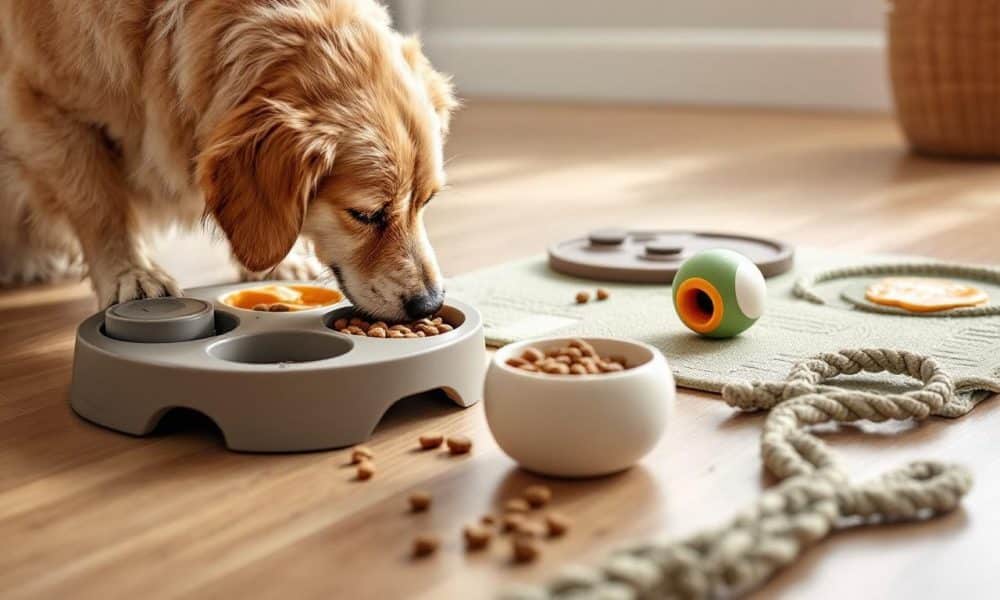
Enrichment toys fall into several distinct categories, each serving different needs. Puzzle toys require dogs to solve problems to access treats. These toys demand focus and patience. Kong Classic toys and Nina Ottosson puzzle games represent industry standards. Dogs must nose, paw, and manipulate these toys to earn rewards. Puzzle play engages the brain's reward centers and releases endorphins, creating genuine satisfaction.
Sniffing toys tap into your dog's most powerful sense. Their nose contains roughly 300 million olfactory receptors compared to your 6 million. Sniff mats, hide-and-seek toys, and scatter toys let dogs use this natural ability. Hide treats in fabric layers or under small objects, then watch your dog's problem-solving skills flourish. This activity reduces stress and provides calm, focused engagement.
Chew toys satisfy the natural chewing instinct while promoting dental health. Long-lasting options like bully sticks, Yak cheese chews, and rubber toys keep dogs occupied for extended periods. Rotation matters. Introducing new toys periodically prevents boredom. A dog that today ignores a toy may find it fascinating next week if you've removed it for several days.
Interactive fetch toys and ball launchers increase physical exercise while rewarding play behavior. Dogs that play together learn social skills and burn calories. Even solo play with automatic ball launchers provides mental stimulation and cardiovascular benefits.
Treat-dispensing toys combine enrichment with reward. Wobble toys, rolling treat dispensers, and rope toys with hidden pockets keep dogs working for their snacks. This slower consumption promotes digestion and extends playtime value.
Size matters enormously. A toy too small becomes a choking hazard. A toy too large frustrates your dog. Match toy size to your dog's mouth dimensions and play style. Puppies benefit from different toys than senior dogs. Puppies need durable toys that survive aggressive teething. Senior dogs prefer gentler options that don't stress aging joints.
Rotate toys systematically. Keep four or five toys accessible at any time, then swap others weekly. Rotation maintains novelty and prevents habituation. Dogs lose interest in constant availability. Strategic rotation extends the lifespan of your toy investment while sustaining engagement.
Supervise play with new toys initially. Some dogs destroy toys aggressively, creating choking hazards or intestinal blockages. Watch how your dog interacts with any new enrichment toy before leaving them unsupervised. Remove toys showing signs of damage immediately.
Enrichment toys serve purposes beyond entertainment. They reduce destructive behavior, lower anxiety levels, prevent obesity, and strengthen the human-animal bond. A mentally stimulated dog becomes a calmer, happier, better-behaved companion. The investment in quality enrichment toys pays dividends across your dog's entire life.