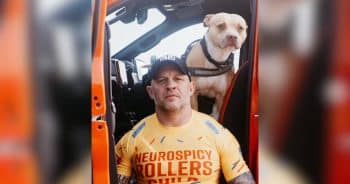
# Tom Hardy's Lifelong Commitment to Rescue Dogs Extends Beyond the Screen
Actor Tom Hardy has built a career playing hardened characters in films like "Venom" and "The Dark Knight Rises," but his personal life tells a different story. Hardy's genuine devotion to rescue dogs shapes how he lives off-camera, using his platform to advocate for shelter animals and abandoned dogs in need.
Hardy has owned multiple rescue dogs throughout his life, treating them as family members rather than celebrity accessories. His commitment reflects a broader understanding that rescue animals deserve the same love and resources as purebred dogs purchased from breeders. This stance matters because it influences his millions of followers to consider adoption when they want to bring a dog into their home.
The actor has spoken openly about his dogs in interviews, demonstrating that rescue animals often make the best companions. By normalizing rescue dog ownership among high-profile figures, Hardy removes stigma and encourages pet owners to explore adoption options first. His advocacy aligns with the work of animal rescue organizations nationwide that struggle with shelter overcrowding and limited resources.
Hardy's passion for animal welfare extends into his professional choices. He has lent his voice and visibility to campaigns promoting dog rescue and adoption. Rather than treating rescue advocacy as a trendy cause, Hardy demonstrates sustained commitment. This consistency matters to animal welfare advocates who recognize that celebrity support translates into actual adoptions and funding for shelters.
The connection between Hardy's on-screen tough guy persona and his real-world compassion for vulnerable animals creates an interesting contrast. It challenges stereotypes about masculinity and emotional availability, showing that strength and gentleness coexist. Men watching Hardy interact with rescue dogs see permission to express their own affection for animals without compromise.
For rescue dogs specifically, Hardy's advocacy addresses a real problem in the shelter system. Many rescue animals face euthanasia due to overcrowding and underfunding. When celebrities with Hardy's reach champion adoption, they expand the pool of potential adopters. His influence has likely resulted in direct adoptions and increased donations to rescue organizations.
The broader impact extends to how society views rescue animals. Hardy treats his rescue dogs with the same respect and care that wealthy collectors give to expensive purebreds. This visibility helps prospective dog owners understand that a dog's value has nothing to do with its origin. Rescue animals offer the same companionship, loyalty, and joy as any other dog.
Hardy's advocacy also highlights the qualities rescue dogs possess. Many have experienced trauma or neglect before finding safe homes, yet they demonstrate remarkable resilience and affection. His support for rescue dogs acknowledges their potential and worth beyond their circumstances.
For pet owners considering adoption, Hardy's example provides both inspiration and practical validation. His sustained commitment to rescue animals shows that this choice reflects genuine values rather than temporary interest. Actor or not, Hardy demonstrates that rescue dogs deserve homes with people who recognize their inherent worth.