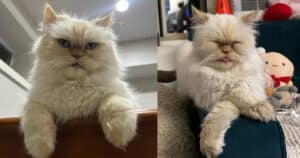
# Senior Cat Survives Car Accident and Cancer, Still Looks Completely Unimpressed
Thomas, a senior cat, has beaten the odds twice over. The feline survived a serious car accident followed by a cancer diagnosis, yet maintains the distinctly unbothered expression cats are famous for.
Cats develop an almost supernatural ability to look indifferent to life's circumstances, no matter what they endure. Thomas embodies this trait perfectly. Despite weathering a traumatic vehicle collision and subsequent cancer treatment, the senior cat's face registers the same level of emotional investment most cats display when their humans arrive home after a long day. That is to say, virtually none.
The story of Thomas resonates with pet owners because it highlights the resilience of senior cats. Older felines often demonstrate remarkable survival instincts and recovery capabilities, even when facing multiple health crises in succession. A car accident alone can cause severe trauma, broken bones, internal injuries, and neurological damage. Many cats do not survive such incidents, and those that do often require extensive veterinary intervention.
Thomas's case becomes more complex with the addition of a cancer diagnosis. Senior cats commonly develop various cancers as they age, including lymphoma, squamous cell carcinoma, and fibrosarcoma. Treatment options typically include chemotherapy, radiation, surgery, or palliative care depending on the cancer type and stage. Each approach carries different recovery timelines and quality-of-life considerations.
The veterinary care Thomas received clearly made a difference in his survival and recovery. Emergency veterinary treatment after the accident would have addressed immediate injuries and stabilized his condition. Subsequent diagnostic imaging, blood work, and specialist consultations likely identified the cancer, allowing his veterinary team to develop an appropriate treatment plan tailored to his senior status.
Senior cats require specialized medical attention. Their bodies process medications differently than younger felines, and they often have concurrent health conditions like kidney disease or hyperthyroidism that complicate treatment decisions. Veterinarians must carefully balance aggressive cancer therapy against the need to maintain quality of life in an older animal.
Thomas's owner clearly prioritized his care throughout both crises. This commitment to treatment and recovery represents the dedication many pet owners feel toward their aging companions. Senior cats hold special places in their families after years of companionship, and owners often pursue multiple treatment options to extend time with beloved pets.
The unimpressed expression Thomas maintains despite his ordeals offers a peculiar form of comfort to other pet owners. Cats do not wear their emotions on their faces the way dogs do. They do not pant anxiously or display obvious signs of distress through facial expressions. This inscrutability means that senior cats undergoing stressful medical treatment may appear calm and composed even while experiencing significant discomfort or fear.
Thomas's survival story serves as a reminder that senior cats possess more resilience than their fragile appearance might suggest. With proper veterinary care, appropriate treatment protocols, and supportive home environments, older cats can recover from severe trauma and medical diagnoses. His completely unimpressed demeanor throughout the entire ordeal remains the perfect cherry on top of an already remarkable journey.