# Rescue Dog Forms Unbreakable Bond With Girl Who Adopted Him
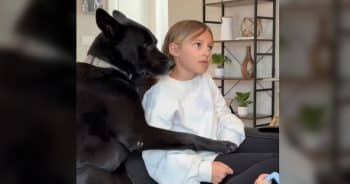
A rescue dog named Bosco has captured hearts by refusing to leave the side of the young girl who chose him from a shelter. The connection between the pair demonstrates the transformative power of adoption and the deep bonds dogs form with their families.
Bosco spent time in rescue before meeting his forever family. When given the chance to meet potential adopters, the dog gravitated immediately toward one young girl. From that moment forward, Bosco attached himself to her with singular devotion. The dog now spends virtually every moment at her side, cuddling, playing, and simply being present with his chosen person.
The girl clearly reciprocates the affection. Photos and videos shared by her family show the two inseparable, with Bosco nestled against her or following her from room to room. The bond they share highlights something rescue advocates have long understood: dogs possess an extraordinary capacity to recognize and respond to individual family members, forming attachments that feel almost spiritual in their intensity.
For rescue dogs like Bosco, adoption represents a second chance at life. Many spend weeks or months in shelters waiting for the right match. When a connection clicks between dog and human, especially a child, the transformation can be remarkable. Bosco appears to have found not just a home, but his person. That distinction matters. Having a dog is different from having your dog, the one who knows your heart and stays loyal without question.
Research on dog-human attachment confirms what Bosco's family experiences daily. Dogs recognize individual voices, distinguish between family members, and show measurable behavioral changes when separated from their primary attachment figure. A dog's choice to remain physically close represents genuine preference and emotional connection, not mere habit.
Stories like Bosco's serve an important function for animal rescue organizations. They illustrate why adoption matters and encourage families to visit shelters rather than pursuing other sources. Every dog adopted from a rescue opens space for another animal in need of shelter care. Bosco's story becomes marketing that no paid advertisement can replicate because it shows real love in action.
For the girl in this story, Bosco will likely remain her constant companion through childhood transitions, school stress, and the ordinary ups and downs of growing up. Service dogs and therapy dogs receive formal training for this role, but Bosco offers something equally valuable through simple, everyday devotion. He listens without judgment, offers comfort without words, and asks only for presence in return.
The family's decision to share Bosco's story reflects a broader shift in how rescue organizations connect with potential adopters. Platforms like iHeartDogs feature adoption success stories that inspire others to give shelter dogs their own chances at happiness. When families see dogs thriving in homes, finding joy and purpose, the message becomes clear: rescue dogs have plenty of love to give to those willing to receive it.
Bosco's refusal to leave his girl's side represents unconditional acceptance. She chose him from among many options, and he repays that choice with loyalty that will likely span his entire life. That kind of bond cannot be manufactured or forced. It simply exists between two beings who found exactly what they needed in each other.