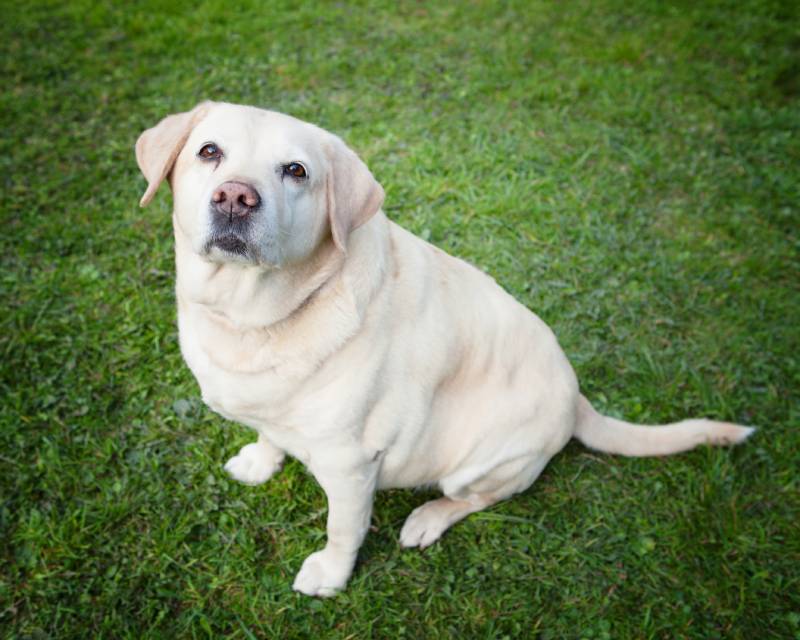
# How to Spot Dog Obesity Before it Becomes a Bigger Problem
Dog obesity develops quietly. Weight gain happens in small increments, making it easy for owners to miss the early warning signs until their pet faces serious health complications. Learning to recognize the subtle shifts in your dog's appearance and behavior now prevents expensive veterinary bills and extends your dog's life later.
## What Early Weight Gain Looks Like
A dog's ribs offer the clearest early indicator. When your dog is at a healthy weight, you should feel the ribs easily when you gently press their sides, though you shouldn't see them visibly protruding. As weight creeps on, the ribs become harder to feel beneath a layer of fat. This happens before your dog looks noticeably overweight to the casual observer.
The waist provides another telling sign. Viewed from above, a healthy dog has an obvious narrowing at the waist between the ribcage and hip area. Overweight dogs lose this definition first. Their body becomes more cylindrical. Look for this subtle shape change during regular handling and grooming sessions.
## Behavioral Changes Come First
Weight gain often announces itself through activity changes before physical changes. Your dog might climb stairs more slowly, pant more heavily during walks, or show less interest in play sessions they once enjoyed. Some dogs sleep longer or seem reluctant to jump on furniture they previously navigated easily. These shifts happen gradually enough that owners attribute them to aging rather than weight.
Appetite shifts matter too. Overweight dogs sometimes eat more, driven by metabolic changes or simply habit. Others eat the same amount but fail to burn calories at their previous rate. Track your dog's food intake and compare it to their activity level.
## Why Early Detection Prevents Serious Problems
Obesity in dogs leads directly to diabetes, joint disease, heart problems, and certain cancers. Dogs carrying excess weight suffer reduced lifespans. A study by Purina showed that dogs kept at lean body weights lived nearly two years longer than their overweight littermates. Early intervention reverses many weight-related health issues before permanent damage occurs.
## What Owners Should Do Now
Schedule a body condition assessment with your veterinarian. Most vets use a 1-to-9 body condition scoring system, with 4-5 considered ideal. Your vet can establish your dog's baseline and flag weight gain before it becomes problematic.
Photograph your dog's body from above and from the side monthly. Digital records let you spot gradual changes that daily observation misses. Save these images to compare over time.
Adjust portions based on your dog's activity level and age, not just following package guidelines. Individual dogs have different caloric needs. Treats should comprise no more than 10 percent of daily calories.
Regular veterinary check-ins catch weight problems during their earliest stages. Dogs should visit their vet annually for wellness exams, with senior dogs visiting twice yearly. These appointments give vets the opportunity to monitor trends and recommend dietary adjustments before obesity develops.