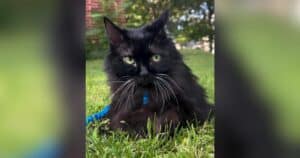
# Rescue Cat With Short Spine Syndrome Finds Home and Social Media Fame
A rescue cat born with short spine syndrome has captured the attention of millions online, proving that physical differences do not limit a feline's ability to bring joy to a family.
Short spine syndrome is a rare congenital condition that affects cats from birth. The vertebrae in the spine fail to develop properly, resulting in a shortened backbone and altered body proportions. Cats with this condition often cannot jump, climb, or move with the typical feline grace. Many are born with the disability and face rejection in shelters or from adopters seeking conventionally healthy pets.
This particular rescue cat overcame those odds. After being brought into a shelter, the cat attracted the attention of a caring adopter who recognized that the animal's physical limitations did not define its personality or capacity to love. Once placed in a forever home, the cat's charming personality and determined spirit caught the eye of social media followers. Content shared by the cat's human family went viral, resonating with audiences worldwide who appreciated the cat's resilience and the family's dedication.
Short spine syndrome in cats does not typically cause pain or reduce lifespan when the cat receives proper care and an environment adapted to its needs. Affected cats learn alternative ways to navigate their surroundings. Instead of jumping onto high furniture, they may climb using lower surfaces or remain at ground level. Many adapt remarkably well to indoor living spaces designed with their mobility in mind. Pet owners caring for cats with this condition benefit from providing ramps, low perches, and accessible litter boxes to support independence and comfort.
Veterinarians diagnose short spine syndrome through physical examination and imaging such as X-rays. Veterinary specialists have documented the condition in cats for decades, and research continues into its causes and prevalence. The syndrome appears to be inherited in some cases, though environmental factors during fetal development may also play a role.
The rescue cat's story highlights an important lesson for potential adopters. Many animals with disabilities thrive in homes where their caregivers accept them fully and modify the environment to support their needs. Shelters often struggle to place cats and dogs with visible health differences, even when these animals lead full, happy lives. This cat's viral popularity has inspired conversations about special needs pet adoption and shifted perceptions about what makes an animal worthy of a loving home.
The cat continues to entertain followers with videos and photos showing its unique personality. Social media has become a platform for this feline to advocate, in a sense, for other animals with disabilities waiting in shelters. Each post demonstrates that a shortened spine does not shorten a cat's capacity for affection or its ability to bring happiness to those around it. The story serves as a reminder to potential adopters that the most rewarding pets sometimes arrive with unexpected challenges that prove surmountable with patience, love, and proper care.