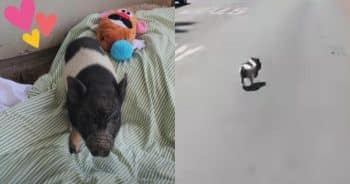
# Runaway Pig Becomes Social Media Star, Finds Forever Home in Malibu
A pig escaped from West Hollywood and captured hearts across social media before landing in an unexpected paradise. The pig's journey from urban chaos to coastal living offers a reminder of how community action and viral attention can transform an animal's fate.
The pig bolted through West Hollywood streets, sparking concern among residents who spotted the animal wandering in an area designed for humans, not farm animals. Social media users quickly mobilized, sharing photos and details about the runaway pig across platforms. The posts gained traction fast, with animal lovers expressing worry about the pig's safety in traffic and among unfamiliar surroundings.
Local animal control and rescue volunteers coordinated efforts to locate and safely capture the pig. The animal's escape and subsequent rescue generated significant online engagement, with followers tracking updates about the search. News outlets picked up the story, amplifying the pig's profile beyond typical animal rescue coverage.
What makes this pig's story exceptional is the resolution. Rather than ending up in a shelter or returned to an uncertain situation, the pig found placement in Malibu, where it now lives under proper care. The coastal community became the pig's new home, offering space and resources that West Hollywood could not provide.
This outcome reflects growing awareness about pig welfare and the reality that pigs require specific living conditions. Pigs are intelligent, social animals that need room to roam, mud to wallow in for skin health, and structured environments. Urban settings create stress and danger for these animals, making rural or semi-rural placements ideal.
The story also highlights how social media mobilizes rescue efforts. When animals go missing or escape, viral posts connect concerned citizens with rescue organizations. This network effect has saved countless animals by expanding search reach beyond traditional channels. People see a photo, share it with their networks, and information spreads exponentially.
For West Hollywood residents, the incident raised questions about how farm animals end up in residential areas. Pigs sometimes escape from private collections, unauthorized backyard farming operations, or transport situations. Public awareness campaigns about exotic and farm animal ownership help prevent future incidents.
The pig's journey from urban fugitive to Malibu resident offers hope that even unexpected animal escapes can have positive endings. It demonstrates that community compassion, rapid response, and proper placement resources work together to protect animals in crisis. The pig's story will likely inspire continued support for animal rescue networks and encourage more people to share missing or stray animal posts online.