# Dogs Were Crossing the Americas Long Before Cortés
Dogs traveled across the Americas and settled in human societies thousands of years before European conquest transformed the continents. Recent research confirms that canines arrived in South America and established themselves as companions, workers, and cultural fixtures in indigenous communities far earlier than most people assume.
Archaeological and genetic evidence shows dogs accompanied human migration patterns through the Americas starting roughly 16,000 years ago. These animals were not wild creatures that happened to live near people. They were deliberately brought along on journeys and integrated into daily life. Dogs served multiple roles in pre-Columbian societies. Some hunted game alongside humans. Others guarded settlements. Many became spiritual and ceremonial animals central to indigenous beliefs and rituals.
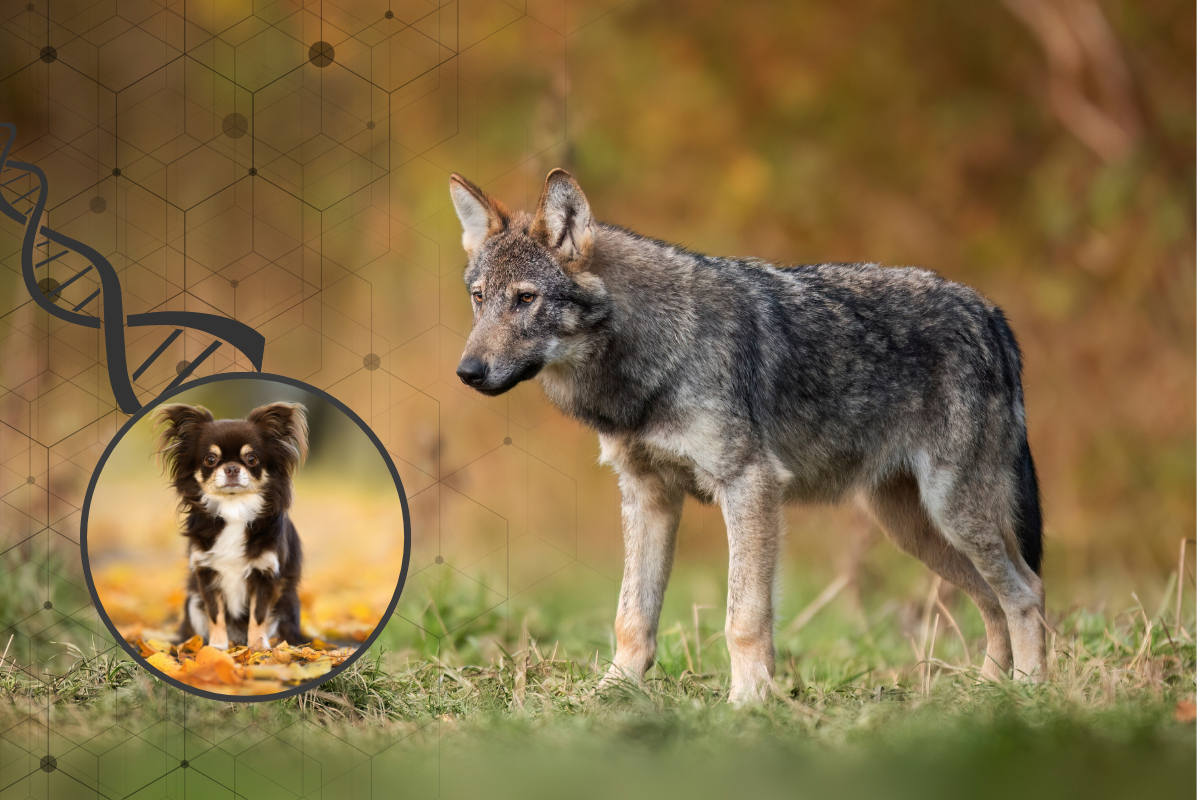
The domesticated dogs found in ancient Americas descended from wolves that humans originally tamed in Asia. As people migrated across land bridges and coastlines into North America and eventually south toward Central and South America, they brought their dogs with them. This multigenerational journey meant dogs adapted to new environments, climates, and lifestyles across vastly different geography.
Archaeological sites throughout South America contain dog remains dating back thousands of years. These skeletal finds reveal selective breeding patterns that indicate humans deliberately shaped dog populations to suit their needs. Some dogs grew larger for hunting big game. Others remained smaller for household companionship. Burial sites show dogs were sometimes interred alongside humans, suggesting deep emotional bonds and respect for these animals within indigenous cultures.
DNA analysis of ancient dog remains has provided clearer timelines. Geneticists compare modern dog breeds with ancestral canine samples to track how populations evolved and spread. This work demonstrates continuous dog presence in the Americas for millennia before 1492, when Columbus arrived in the Caribbean.
Cortés arrived in Mexico in 1519 with Spanish war dogs, massive mastiffs and greyhounds trained for battle. These European breeds terrified indigenous people unfamiliar with animals of that size and ferocity. However, the dogs Cortés brought were not introducing canines to the Americas. Local populations already possessed their own established dog cultures, though these indigenous dogs typically looked and behaved differently from European war dogs.
Understanding dogs in pre-Columbian Americas matters because it reshapes how we view indigenous societies. These civilizations did not simply exist in harmony with untamed nature. They actively domesticated, bred, and managed animals for specific purposes. Dogs provided practical benefits through hunting and protection while also serving emotional and spiritual needs.
Modern breed enthusiasts and anthropologists continue studying ancient dog genetics to understand which contemporary breeds carry traces of pre-Columbian ancestry. This research helps document indigenous contributions to dog diversity worldwide. It also challenges narratives that position European arrival as bringing the first domesticated animals to the Americas.
Dogs were not passive arrivals in the Western Hemisphere. They were active participants in human society, shaped by and shaping the civilizations that brought them across oceans and mountains.