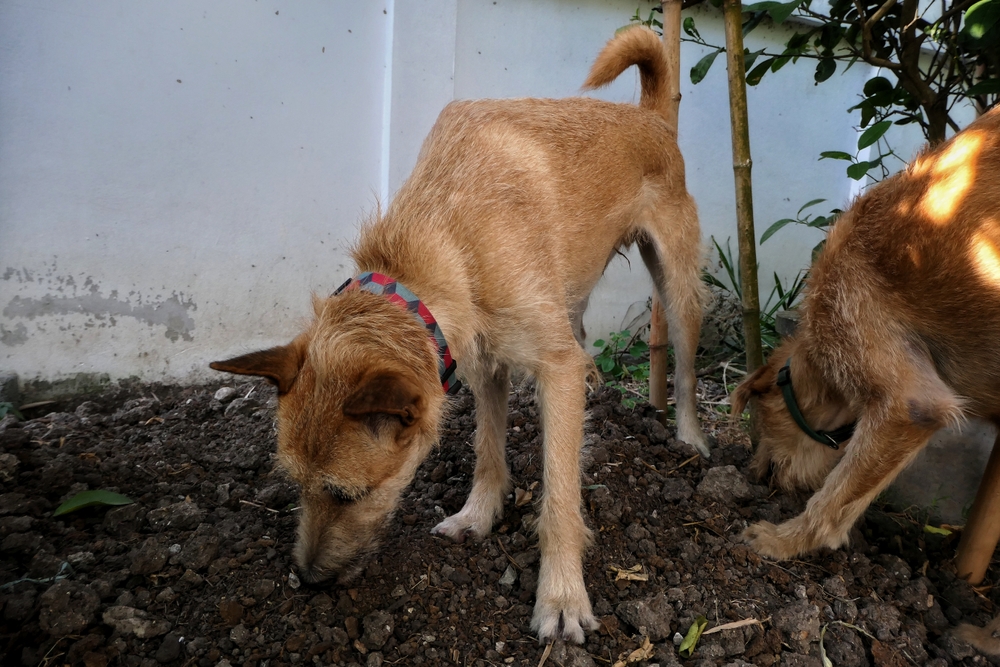
# Why Dogs Eat Socks, Rocks, and Dirt: A Vet's Guide to Pica
Dogs consume non-food items with remarkable regularity. Socks, rocks, dirt, plastic, and paper end up in their mouths constantly. While some instances cause no harm, others create serious medical emergencies. Understanding why dogs engage in this behavior, called pica, helps owners protect their animals.
Pica in dogs stems from multiple causes. Boredom ranks high on the list. Dogs with insufficient mental stimulation or exercise often chew and swallow inappropriate objects to occupy themselves. A golden retriever left alone for eight hours daily has higher pica risk than one receiving regular activity and enrichment.
Nutritional deficiencies trigger pica in some cases. When dogs lack essential minerals like iron, zinc, or B vitamins, they may compulsively eat dirt or non-food items in an attempt to meet their body's needs. This behavior particularly affects dogs on poorly balanced homemade diets or those with malabsorption conditions like inflammatory bowel disease.
Medical conditions drive pica behavior too. Gastrointestinal parasites, diabetes, thyroid disease, and cognitive dysfunction in senior dogs all increase the likelihood of eating foreign objects. Anxiety and stress-related disorders also manifest as compulsive consumption of non-food items. A dog experiencing separation anxiety might shred and consume socks or cushion stuffing during owner absence.
Breed tendencies exist. Certain breeds, particularly labrador retrievers and beagles, show higher predisposition to pica than others. These scavenging breeds evolved to eat opportunistically, and that genetic programming remains strong.
The consequences range from inconvenient to life-threatening. Socks pass through many dogs' digestive systems without incident, though constipation occurs occasionally. Rocks cause dental fractures and intestinal blockages requiring surgery. Plastic bags create complete obstructions that prove fatal without emergency intervention. Dirt consumption carries parasitic contamination risks.
Pet owners should contact their veterinarian when dogs repeatedly eat non-food items. Vets can rule out medical causes through physical examination, bloodwork, and imaging studies. Addressing underlying conditions like parasites, nutritional deficiencies, or endocrine disorders often stops pica immediately.
Environmental management prevents many cases. Store socks, underwear, and small objects where dogs cannot access them. Use baby gates to limit access to outdoor areas where rocks and dirt tempt consumption. Provide appropriate chew toys, puzzle feeders, and interactive toys that keep dogs mentally engaged.
Exercise and enrichment programs reduce boredom-related pica significantly. Dogs need daily physical activity matched to their age and breed. Mental stimulation through training, sniff games, and novel experiences burns mental energy that might otherwise drive destructive behavior.
If pica persists despite veterinary clearance and environmental changes, consult a certified animal behaviorist. They can assess for anxiety, obsessive-compulsive behaviors, and develop behavior modification plans tailored to individual dogs.
Most importantly, dog owners should never ignore repeated pica behavior. What seems like harmless sock-chewing today can escalate to dangerous rock consumption tomorrow. Early intervention prevents emergency veterinary visits and protects dogs from serious injury or death.