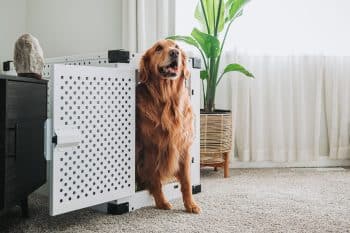
# Hidden Dog Beds Offer Comfort and Privacy for Your Canine Companion
Dogs need safe spaces where they can retreat, rest, and feel secure. Hidden dog beds serve this purpose by providing enclosed sleeping areas that appeal to your dog's natural denning instincts. These products combine comfort with privacy, creating a personal sanctuary within your home.
Hidden dog beds work differently than standard dog beds. Rather than leaving your dog exposed on an open cushion, these beds feature walls, roofs, or fabric coverings that create an enclosed or semi-enclosed space. This design taps into the instinctive behavior dogs inherited from their wild ancestors, who sought shelter in caves and dens for protection and warmth. Your dog experiences reduced anxiety when resting in a contained space, especially during thunderstorms, fireworks, or periods of household activity.
The benefits extend beyond comfort. Hidden dog beds help with anxiety management in dogs prone to stress or fear-based behaviors. Dogs with separation anxiety, noise sensitivity, or social anxiety often gravitate toward enclosed spaces naturally. Providing a designated hidden bed teaches your dog that this area is their safe zone, which accelerates their sense of security and can reduce destructive behaviors triggered by stress.
Hidden beds also serve a practical decorating function. Many designs integrate into home decor rather than standing out as obvious pet furniture. You can find options styled like ottomans, side tables, furniture that doubles as storage, or fabric-covered frames that blend seamlessly with your interior design. This matters if you prefer your dog's sleeping area not dominate your living room visually.
Several styles address different needs and spaces. Bed-style hidden options feature cushioned bases with fabric canopies or tent-like coverings. Furniture-integrated designs look like decorative pieces, such as upholstered benches or low tables, with enclosed sleeping compartments underneath. Crate covers transform standard wire or plastic crates into enclosed dens. Tunnel beds extend along the floor. Elevated options with fabric skirts provide shade and enclosure while keeping your dog off cold floors.
When selecting a hidden dog bed, size matters first. Measure your dog from nose to tail tip and from head to bottom when lying down, then add a few inches for comfort. A bed that's too small creates stress rather than comfort. Material selection affects durability and cleaning ease. Washable covers simplify maintenance, while water-resistant options work well for dogs prone to accidents. Ventilation becomes important for breeds susceptible to overheating, so check that your chosen bed allows adequate airflow.
Placement influences effectiveness. Position the bed in a quiet area away from high-traffic zones but where your dog can still observe household activity. Avoid putting it in direct sunlight or near heating vents. Some dogs prefer bedrooms or home offices over living areas.
Introduce your dog gradually to their new hidden bed. Place treats and toys inside to create positive associations. Never force your dog into the bed. Let them explore at their own pace and discover it as their personal space. Most dogs take a few days to a week to fully embrace their new retreat.
Hidden dog beds benefit dogs at any life stage. Puppies learn that beds are safe resting areas. Adult dogs enjoy the security and comfort. Senior dogs appreciate the cushioning and protected environment that supports arthritic joints and sensitive hearing and vision.