# Finding the Right Outdoor Dog Bed for Your Pup
Dogs spend significant time outside during warmer months, whether lounging on the patio, relaxing in the yard, or accompanying families on camping trips. An outdoor dog bed transforms these spaces into comfortable resting spots while protecting your dog from hard ground, moisture, and temperature extremes.
Outdoor dog beds serve multiple purposes beyond comfort. They provide orthopedic support for aging dogs and large breeds prone to joint issues. They keep dogs off damp grass and cold surfaces that can trigger arthritis flare-ups. They create designated rest areas that discourage digging or other destructive outdoor behaviors. They also establish boundaries, signaling to your dog where outdoor lounging is acceptable.
Selecting the right outdoor dog bed depends on your dog's size, your climate, and how the bed will be used. Small breeds need different products than large dogs. Dogs living in humid regions require moisture-wicking fabrics, while northern climates demand insulation and weather resistance.
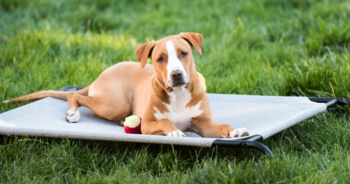
Elevated beds work well for hot climates. These raised platforms keep dogs off heated ground and allow air circulation underneath. They're particularly useful for senior dogs that need easier access, as many feature lower profiles than traditional beds. Mesh or fabric bottoms dry quickly and resist mildew growth.
Waterproof beds suit rainy climates and homes where outdoor beds stay out year-round. Look for beds with fully waterproof covers and sealed seams. Removable, washable covers simplify maintenance after muddy play sessions. Some premium options feature orthopedic foam cores protected by water-resistant materials, combining comfort with durability.
Memory foam and gel-infused options cool dogs during hot weather while supporting joints. These beds benefit dogs with arthritis, hip dysplasia, or dogs recovering from injury. The investment in quality cushioning pays dividends for large breeds and older dogs prone to pain.
Size matters enormously. Measure your dog from nose to tail and add several inches. Dogs appreciate room to stretch out, shift positions, and turn around comfortably. An undersized bed forces awkward sleeping positions that defeat the purpose of investing in quality outdoor rest space.
Material selection affects longevity. Canvas and heavy-duty polyester withstand sun exposure better than lighter fabrics. UV-resistant covers prevent fading and degradation. Chew-resistant materials protect against destruction from dogs that gnaw furniture. Some manufacturers reinforce seams and edges with double stitching to extend lifespan.
Setup location influences bed choice. Beds placed under covered patios face less weather exposure than those in open yards. Covered areas allow use of less rugged options. Exposed locations demand maximum weather resistance and drainage features.
Cleaning and maintenance determine whether an outdoor bed remains sanitary. Machine-washable covers simplify weekly cleaning. Some beds feature removable inserts that allow independent washing of covers and cushions. Others use outdoor-appropriate fabrics that resist staining and odor absorption.
Budget considerations range from basic pads under fifty dollars to premium orthopedic systems exceeding three hundred dollars. Mid-range options between one hundred and two hundred dollars typically offer solid construction, adequate cushioning, and reasonable durability for most households.
Dogs deserve comfortable rest areas reflecting their time spent outdoors. Quality outdoor beds prevent joint problems, reduce destructive behaviors, and demonstrate care for your dog's wellbeing during warm months and year-round outdoor living. Investing in appropriate outdoor bedding keeps your dog healthy, comfortable, and happy.