# 8 Care Practices for Dogs That Deserve the Same Attention We Give Human Children
Dog owners often lavish attention on their pets, yet many skip basic health and wellness practices they would never overlook for their own children. Understanding these gaps helps create healthier, happier lives for dogs.
**Regular Dental Care**
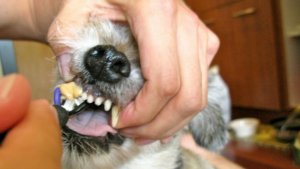
Parents brush their children's teeth daily and schedule professional cleanings. Dogs need the same commitment. Plaque and tartar buildup leads to gum disease, tooth loss, and bacterial infections that spread to the heart and kidneys. Most dogs benefit from daily tooth brushing and professional veterinary cleanings every 6 to 12 months. Many dog owners skip this entirely, waiting until a dental emergency forces expensive extraction or treatment.
**Annual Health Screenings**
We take children to pediatricians for routine checkups even when they seem fine. Adult dogs need veterinary wellness exams yearly, and senior dogs at age 7 and older need them twice annually. These visits catch early signs of disease before they become serious. Blood work, urinalysis, and physical exams reveal problems invisible to the naked eye.
**Vision and Hearing Tests**
Children receive hearing and vision screenings at school. Dogs cannot report that they cannot see or hear well, so many owners miss these changes. Veterinarians can test both during wellness visits. Early detection of glaucoma, cataracts, or hearing loss allows treatment or accommodation that improves quality of life.
**Nutrition Planning**
Parents carefully consider their child's diet for growth and development. Dog nutrition varies by age, size, activity level, and health status. Puppies, adults, and senior dogs have different caloric and nutrient needs. Dogs with kidney disease, diabetes, or allergies need specialized diets. A veterinarian or veterinary nutritionist can recommend the best food rather than relying on marketing claims.
**Mental Health and Enrichment**
Children need education, play, and social interaction. Dogs need the same. Boredom and lack of mental stimulation trigger behavior problems and depression. Puzzle toys, training sessions, varied walking routes, and socialization keep dogs engaged. This investment pays dividends in better behavior and longer lifespan.
**Preventive Medications**
Parents give children vaccines and medications to prevent disease. Dogs need heartworm prevention, flea and tick protection, and vaccines appropriate to their lifestyle and region. Year-round preventive care stops serious illnesses before they start.
**Weight Management**
Childhood obesity sets the stage for adult health problems. The same holds for dogs. Excess weight shortens lifespan and triggers joint problems, diabetes, and heart disease. Appropriate portion sizes, exercise, and regular weigh-ins at the veterinary clinic keep dogs at healthy weights.
**Exercise and Activity**
Active children grow stronger and healthier. Dogs need daily exercise tailored to their breed, age, and health. A Border Collie needs more activity than a Pug, but every dog benefits from movement. Regular exercise prevents obesity, strengthens joints, and improves behavior.
Dog owners who apply the same care standards to their pets that they use for children invest in decades of companionship. These practices cost less than emergency treatments and deliver healthier, longer, happier lives.