# Acupuncture for Dogs: What Modern Veterinarians Know About This Ancient Practice
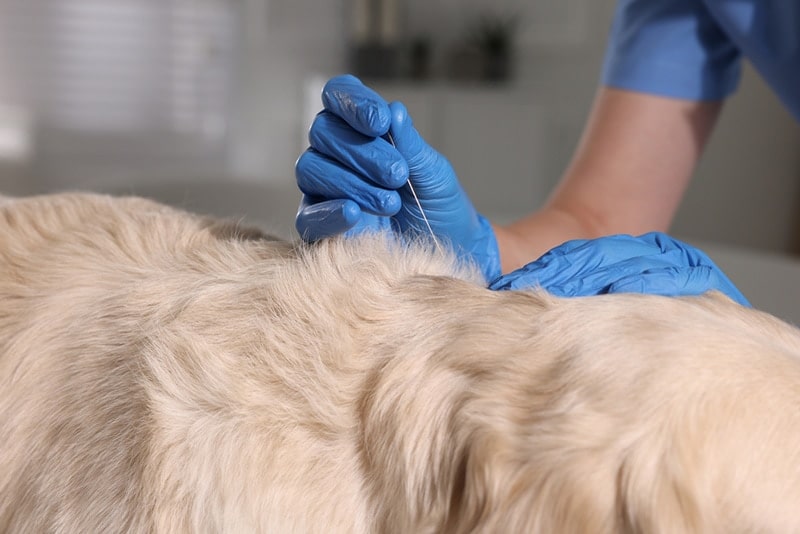
Acupuncture is gaining traction in veterinary clinics across North America as dog owners and vets explore alternatives and complements to conventional pain management. The practice involves inserting thin needles into specific points on a dog's body to stimulate healing, improve circulation, and reduce discomfort.
Veterinarians trained in acupuncture report success treating chronic pain conditions in dogs, particularly arthritis, hip dysplasia, and intervertebral disc disease. The International Veterinary Academy of Pain Management recognizes acupuncture as a legitimate therapeutic option for canine patients. Dogs with osteoarthritis show measurable improvement in mobility and reduced lameness after acupuncture sessions, according to case reports from certified veterinary acupuncturists.
The mechanism works through stimulation of trigger points and acupuncture meridians. When needles penetrate the skin at these locations, they trigger the release of endorphins, the body's natural pain-relieving chemicals. Blood flow increases to affected areas, promoting tissue repair and reducing inflammation. For senior dogs or those unable to tolerate certain medications, acupuncture offers a drug-free option.
Finding a qualified practitioner matters enormously. The International Veterinary Acupuncture Society certifies veterinarians who complete rigorous training in anatomy, meridian theory, and needle placement techniques. Look for the IVAS credential when selecting a vet. Many board-certified veterinary surgeons now cross-train in acupuncture to expand their pain management toolkit. Never take your dog to an acupuncturist without veterinary credentials, as improper needle placement risks nerve damage or infection.
Treatment protocols vary by condition. Acute injuries might require weekly sessions for four to six weeks. Chronic arthritis often benefits from maintenance treatments every four to six weeks indefinitely. Most dogs tolerate acupuncture well. The needles are extremely fine and cause minimal discomfort during insertion. Many dogs relax during treatment, some even sleep.
Costs typically range from $75 to $150 per session depending on geographic location and practitioner experience. Most pet insurance plans do not cover acupuncture, though some offer limited reimbursement if recommended by your primary veterinarian.
Acupuncture works best as part of a comprehensive pain management strategy. Your vet may combine it with physical therapy, weight management, joint supplements containing glucosamine and chondroitin, and prescribed medications when necessary. Dogs respond differently to treatment. Some show dramatic improvement within two sessions. Others require several weeks of treatment before noticeable changes occur.
If your dog limps, shows reluctance to climb stairs, or struggles after exercise, talk with your veterinarian about acupuncture. Your vet can assess whether your dog is a good candidate and refer you to a certified veterinary acupuncturist. Many conventional vets maintain working relationships with specialists who handle acupuncture treatments.
The evidence supporting canine acupuncture continues to accumulate. Research published in veterinary journals documents pain reduction and improved function in treated dogs. While acupuncture will not cure underlying degenerative conditions, it effectively manages symptoms and improves quality of life for aging and injured dogs.