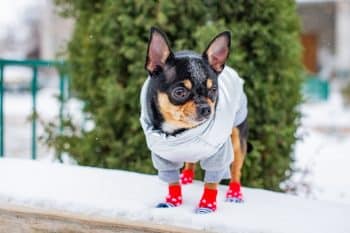
# The Best Dog Shoes Protect Paws and Keep Dogs Comfortable Year-Round
Dog shoes serve real health purposes beyond fashion. They shield paws from harsh winter salt, hot summer pavement, sharp debris, and mud. For senior dogs with joint pain or dogs recovering from injury, properly fitted shoes reduce strain and provide support. Small breeds and dogs with sensitive feet benefit most from this protection.
Choosing the right shoe requires understanding your dog's size, gait, and activity level. A shoe that slips off or causes limping defeats its purpose. The best dog shoes combine comfort, durability, and secure fit.
**Top Performing Dog Shoe Options**
Ruffwear Grip Trex boots lead the market for active dogs. These hiking-specific shoes feature rubber soles that grip wet and icy surfaces. The neoprene cuff stays put without chafing. Dogs wearing Grip Trex can tackle rocky trails and snowy terrain without pad damage. Most owners report their dogs adapt within one or two outings.
Pawz Dog Boots offer disposable protection for short walks. These rubber booties work well for quick potty breaks in snow or salt. They cost less than $20 per set, making replacement affordable. The downside: dogs tolerate these temporary shoes better than wearing them for extended play.
Ultra Paws Durable Dog Boots combine waterproof nylon with rubber reinforcement. They suit dogs who need all-day protection during muddy seasons. The adjustable straps prevent slipping, and the tread provides traction on smooth floors. Owners praise their longevity through multiple seasons.
Ethical Pet All-Terrain Dog Boots work for casual walks on varied ground. The lightweight design minimizes the adjustment period. Smaller dogs wearing these boots show fewer signs of resistance compared to heavier styles. Price falls in the mid-range, making them accessible to most budgets.
**Proper Fitting Makes the Difference**
Measure each paw individually. Front and back feet often differ in size. A shoe that sits too loose will slip during walks. A shoe that sits too tight restricts circulation and causes blistering. Most manufacturers provide detailed sizing charts. Order according to your dog's specific measurements, not breed alone.
Let your dog wear new shoes indoors first. Some dogs need several sessions before accepting footwear. Walking on hardwood floors helps them adjust faster than outdoor concrete. Watch their gait carefully. A dog that limps or refuses to bear weight on a shoed foot signals an improper fit.
**When Dogs Actually Need Shoes**
Winter conditions demand paw protection. Rock salt burns sensitive paw pads and irritates skin between toes. Chemical de-icers pose additional risks. Regular washing between paw pads doesn't fully remove all irritants. Shoes prevent most contact with these harmful substances.
Hot pavement in summer causes burns similar to salt damage. Dogs walking in temperatures above 85 degrees Fahrenheit benefit from protective footwear. Older dogs and those with arthritis move more comfortably with the support shoes provide. Dogs recovering from surgery or injury need protected feet during outdoor rehabilitation.
**Getting Dogs Accustomed to Shoes**
Start with short indoor sessions. Reward your dog with treats and praise while wearing the shoes. Gradually increase wear time before moving outside. Some dogs adapt in days. Others need weeks of positive reinforcement. Never force a resistant dog. Patience during the transition period prevents negative associations with footwear.
Quality dog shoes represent a small investment in paw health. The right pair protects feet from environmental hazards, reduces pain for older or injured dogs, and keeps your dog moving confidently through any season.