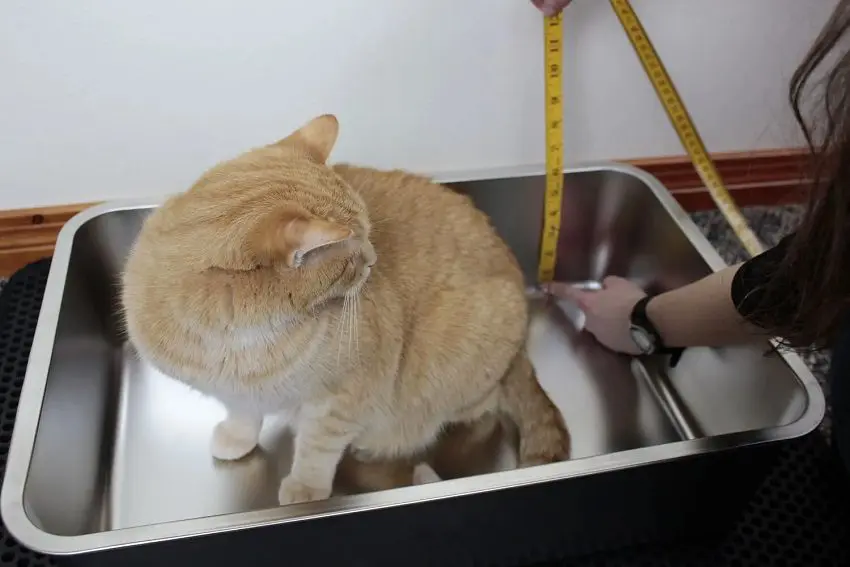
# Stainless Steel Cat Litter Boxes: Why Pet Parents Are Making the Switch
Cat owners face a persistent challenge: keeping litter boxes clean, odor-free, and long-lasting. Traditional plastic litter boxes absorb odors, scratch easily, and require frequent replacement. Stainless steel litter boxes address these problems head-on, offering a durable alternative that modern pet parents are increasingly adopting.
Stainless steel delivers several practical advantages over conventional plastic options. The non-porous surface resists odor absorption, a major concern for households with multiple cats or limited ventilation. Unlike plastic, stainless steel does not scratch or degrade when scooped daily, maintaining its integrity for years. The smooth material also prevents bacteria and mold from embedding into microscopic cracks, making sanitation simpler and more thorough.
Heat retention differs between materials as well. Stainless steel stays cooler than plastic, which some cats prefer, particularly during warmer months. The weight of metal boxes provides stability, preventing tipping when larger cats enter or dig vigorously. Plastic boxes shift and slide on hardwood or tile floors, creating noise and frustration.
Durability translates to cost savings. While stainless steel boxes cost more upfront, typically ranging from 40 to 80 dollars compared to 15 to 30 dollars for plastic alternatives, they last five to ten years instead of one to three years. Pet parents replace plastic boxes multiple times during a single stainless steel box's lifespan, ultimately spending less money.
Aesthetic appeal matters too. Modern homes benefit from the sleek, contemporary look of stainless steel. These boxes coordinate with contemporary kitchen and bathroom designs rather than standing out as eyesores. Some pet parents position them in main living areas instead of hiding them in closets, improving litter box accessibility and potentially encouraging better bathroom habits in multi-cat households.
Cleaning stainless steel requires minimal effort. Owners simply wipe down the exterior and interior with a damp cloth and mild detergent. Fingerprints disappear easily, and the surface shows no discoloration from repeated cleaning. Plastic boxes develop dull patches and permanent staining from litter dust and odor-fighting additives.
Environmental considerations appeal to eco-conscious cat owners. Stainless steel is recyclable and produces less waste than plastic boxes discarded annually. Manufacturing stainless steel involves higher energy initially, but the extended lifespan offsets this impact compared to constantly purchasing disposable plastic alternatives.
Not all stainless steel boxes work equally well. High-quality options feature reinforced corners, appropriate depth for larger breeds, and drainage systems that prevent moisture buildup. Lower-priced metal boxes sometimes lack these features, resulting in rust or water pooling issues.
Cat preferences vary. Some cats hesitate initially with unfamiliar box materials, so transitioning gradually helps. Placing the stainless steel box alongside the existing plastic box for one to two weeks allows cats to acclimate before removing the old one.
For pet parents seeking durability, cleanliness, and visual appeal, stainless steel cat litter boxes represent a smart investment. The combination of practical benefits and longevity makes them worth considering despite the higher purchase price. Modern cat owners increasingly recognize that spending more initially on quality products saves money and reduces environmental waste long-term.