# Summer Hiking With Dogs Requires the Right Gear
Summer adventures with dogs demand proper equipment to keep your pet safe and comfortable on the trail. A curated collection of 15 products helps owners protect their dogs from heat, injury, and dehydration during warm-weather hikes.
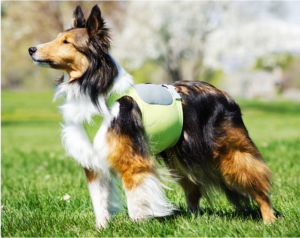
The K9 Cool Vest stands out as a temperature-management solution. These vests use evaporative cooling technology to help dogs regulate body heat during strenuous outdoor activity. Dogs with thick coats or brachycephalic breeds (flat-faced dogs like Bulldogs and Pugs) benefit most from cooling gear, as they struggle to shed excess heat through panting alone. Simply soak the vest in water before your hike, and it provides hours of relief.
Hydration packs designed for dogs solve the water-carrying problem that many hikers face. These backpacks let your dog carry their own water supply, reducing the burden on you while ensuring your pet stays hydrated throughout the journey. Brands like Ruffwear and similar manufacturers offer adjustable designs that fit various sizes and breeds.
Paw protection matters on rocky or hot terrain. Dog booties shield sensitive paw pads from sharp rocks, hot asphalt, and rough ground. Musher's Secret and similar paw wax products create a protective barrier without restricting your dog's natural movement. Test any new gear at home before hitting the trail to ensure your dog moves comfortably.
Trail-specific collars and leashes provide better control on challenging terrain. Harnesses distribute pressure more evenly than traditional collars and prevent neck strain when your dog pulls. Hands-free leashes allow you to maintain balance on steep sections while keeping your dog close.
Insulated water bowls keep drinking water cool, and collapsible designs save pack space. Portable dog first aid kits should travel with you, containing bandages, antiseptic, tweezers for splinter removal, and any breed-specific medications your dog needs.
Sun protection extends beyond cooling. Dog sunscreen protects exposed skin areas, particularly on dogs with thin or light-colored coats. Look for pet-safe formulations that contain zinc oxide without harmful additives.
Tick and insect prevention becomes essential in summer. Before heading to the trailhead, apply veterinarian-recommended flea and tick preventatives. Many areas see increased parasite activity during warm months, and prevention beats treatment.
Your dog's age and fitness level determine hiking suitability. Puppies under one year and senior dogs over seven years typically cannot handle long distances safely. Young adult dogs in peak condition handle longer trails better than sedentary pets. Start with shorter distances and gradually increase difficulty as your dog builds trail fitness.
Pack extra food for high-energy hikes. Dogs burn significant calories while hiking, and carrying lightweight, calorie-dense treats helps maintain your pet's energy levels. Bring more water than you think necessary, especially on longer routes without reliable water sources.
Weather conditions change quickly in mountains and remote areas. Check forecasts before departing, and avoid hiking during peak heat hours. Early morning and evening hikes keep your dog safer during summer months. Never leave your dog in a car while you explore, even with windows cracked.
Post-hike care matters as much as preparation. Check your dog's paws, coat, and skin for injuries or parasites once you return home. A cool bath and adequate rest help your dog recover properly. Dogs showing excessive panting, weakness, or vomiting may have heat exhaustion and need veterinary attention immediately.
Smart gear selection and preparation transform summer hiking into an enjoyable experience for both you and your dog.