# Toys That Rekindle Your Senior Dog's Playful Spirit
Senior dogs often settle into quieter routines as they age, but the right toys can spark that youthful energy and keep their minds sharp. Enrichment through play remains beneficial for older dogs, supporting cognitive function, joint mobility, and emotional wellbeing.
Dogs in their later years respond well to toys that match their physical capabilities while still engaging their problem-solving instincts. Low-impact options work best for seniors dealing with arthritis or reduced stamina.
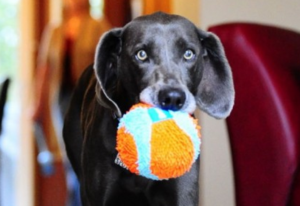
Ball toys work for many aging dogs. Softer, lighter balls reduce joint stress compared to heavy rubber varieties. Balls designed for senior dogs feature gentler materials that are easier on teeth and gums.
Puzzle feeders and treat-dispensing toys stimulate mental engagement without requiring intense physical activity. These toys slow eating pace, which benefits digestion and prevents bloating. Kong Classic toys and similar durable puzzle toys allow dogs to work for small food rewards at their own pace.
Rope toys encourage gentle tugging games between dog and owner, strengthening the human-animal bond without demanding high energy expenditure. Choose thicker ropes designed for gentle play rather than aggressive pulling.
Plush toys appeal to dogs who enjoy carrying objects. Softer textures feel comfortable in aging mouths. Toys without small detachable parts prevent choking hazards for dogs whose play style has changed over time.
Squeaky toys maintain novelty and encourage investigation. The sound stimulates auditory senses and can reignite prey drive in measured doses. Ensure squeakers are securely embedded to prevent accidental ingestion.
Floating toys work well for water-loving seniors who still enjoy swimming or wading. Water play offers low-impact exercise beneficial for arthritic joints. Always supervise water activities for aging dogs.
Crinkle toys produce different sounds and textures that engage sensory preferences. The varied stimulation keeps older dogs mentally active without requiring sustained physical exertion.
Rotating toy selection prevents boredom and maintains interest. Introducing toys weekly keeps the experience fresh for senior dogs experiencing reduced novelty sensitivity.
Safety matters when selecting toys for aging dogs. Check regularly for loose threads, torn seams, or deteriorating materials that pose choking risks. Replace worn toys promptly.
Supervision during play ensures toys don't cause injury or intestinal blockage. Monitor for signs of frustration, and remove toys if they cause stress rather than joy.
Veterinarians recommend tailoring toy choices to individual health conditions. Dogs with dental disease need softer options. Dogs with mobility issues benefit from stationary puzzle toys rather than chase games.
Consulting your veterinarian before introducing new toys helps ensure selections match your dog's specific physical abilities and health status. Your vet can recommend brands and styles suited to your senior's needs.
Playing with your aging dog strengthens your relationship while keeping them mentally stimulated and physically active within their limitations. Even brief, gentle play sessions contribute meaningfully to quality of life in the golden years.