# Dogs Saving Lives at the Dinner Table: Turning Natural Instincts Into An Early Warning System
People with severe food allergies live under constant threat. A mislabeled dish, cross-contamination in a shared kitchen, or a trace amount of hidden peanut in a sauce can trigger anaphylaxis within minutes. For these individuals, vigilance isn't optional. It's survival.
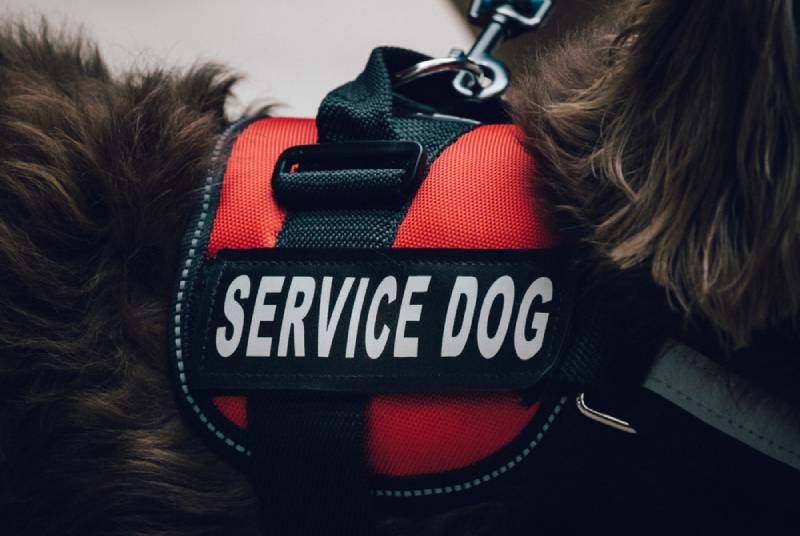
Specially trained detection dogs now offer a new layer of protection at mealtimes and beyond. These animals use their extraordinary sense of smell to identify allergens before they reach their owner's plate or lips, giving people with life-threatening allergies a practical early warning system.
The science behind this approach is straightforward. Dogs possess 300 million olfactory receptors compared to humans' roughly 6 million. This sensory advantage lets them detect allergens at concentrations humans cannot perceive. A trained allergen detection dog can identify peanut proteins, tree nuts, shellfish, milk, eggs, and sesame in foods before consumption. The dogs alert their handlers through specific trained behaviors, typically a nose-nudge or paw, signaling that an allergen is present in the food or environment.
Training these dogs requires months of dedication. Handlers work with professional dog trainers who specialize in medical alert training. The dogs learn to recognize the specific scent of their handler's allergen while ignoring other smells in busy environments like restaurants, grocery stores, and homes. The training process involves rewarding the dog when it correctly identifies the target allergen and teaching it to ignore non-allergen items.
For people with children who have severe food allergies, these dogs become family guardians. Parents can feel more confident allowing their children to eat at school cafeterias, birthday parties, and restaurants when a trained detection dog is present. The dog essentially extends the parent's ability to protect their child beyond what one person can manage alone.
The role extends beyond just mealtimes. Allergen detection dogs also help during grocery shopping, reading restaurant menus, and navigating social gatherings where food is central. A handler visiting a friend's house can send the dog to investigate a casserole or appetizer plate. The dog's alert prevents the handler from consuming something that could send them to the emergency room.
However, access to these dogs remains limited. Training costs range from $15,000 to $30,000 per dog. Many families cannot afford these prices, and insurance companies do not consistently cover allergen detection dogs. Organizations like the National Association of Dog Trainers and individual certified trainers work with families, but demand far exceeds availability.
Some families have trained their own dogs through online resources and local trainers, though this requires significant time and commitment. The results are mixed, and professional training remains the gold standard for reliability in high-stakes situations.
For families who can access them, allergen detection dogs transform daily anxiety into manageable caution. A child with a peanut allergy can eat at a restaurant without the parent holding their breath. Adults with multiple allergies gain independence. The dog becomes both protector and companion, offering both practical safety and emotional reassurance.